Colour is far more than a decorative choice – it is a powerful tool that shapes emotions, influences behaviour, and defines the overall atmosphere of any space. In Nairobi’s fast-paced urban environment, where homes and offices must support relaxation, focus, and social connection, understanding colour psychology interiors helps create environments that truly enhance daily life.
From compact apartments in Kilimani to family homes in Karen and corporate spaces in Westlands, strategic use of colour can make rooms feel larger, calmer, more energising, or more inviting. In 2026, Kenyan homeowners and businesses increasingly combine colour psychology with local realities – natural light variations, climate considerations, and a growing preference for warm, earthy palettes that reflect Kenya’s landscapes.
Saint Boss, a premium Nairobi-based firm offering interior design, space planning, furniture supply, fit-outs, and project management, incorporates colour psychology into every project. Our integrated approach ensures colours work harmoniously with materials, lighting, and functionality to deliver spaces that feel both beautiful and purposeful.
This guide explores the science and application of colour psychology interiors, with practical recommendations tailored to design mood Nairobi and Kenyan lifestyles.
How Colours Influence Emotions and Behaviour
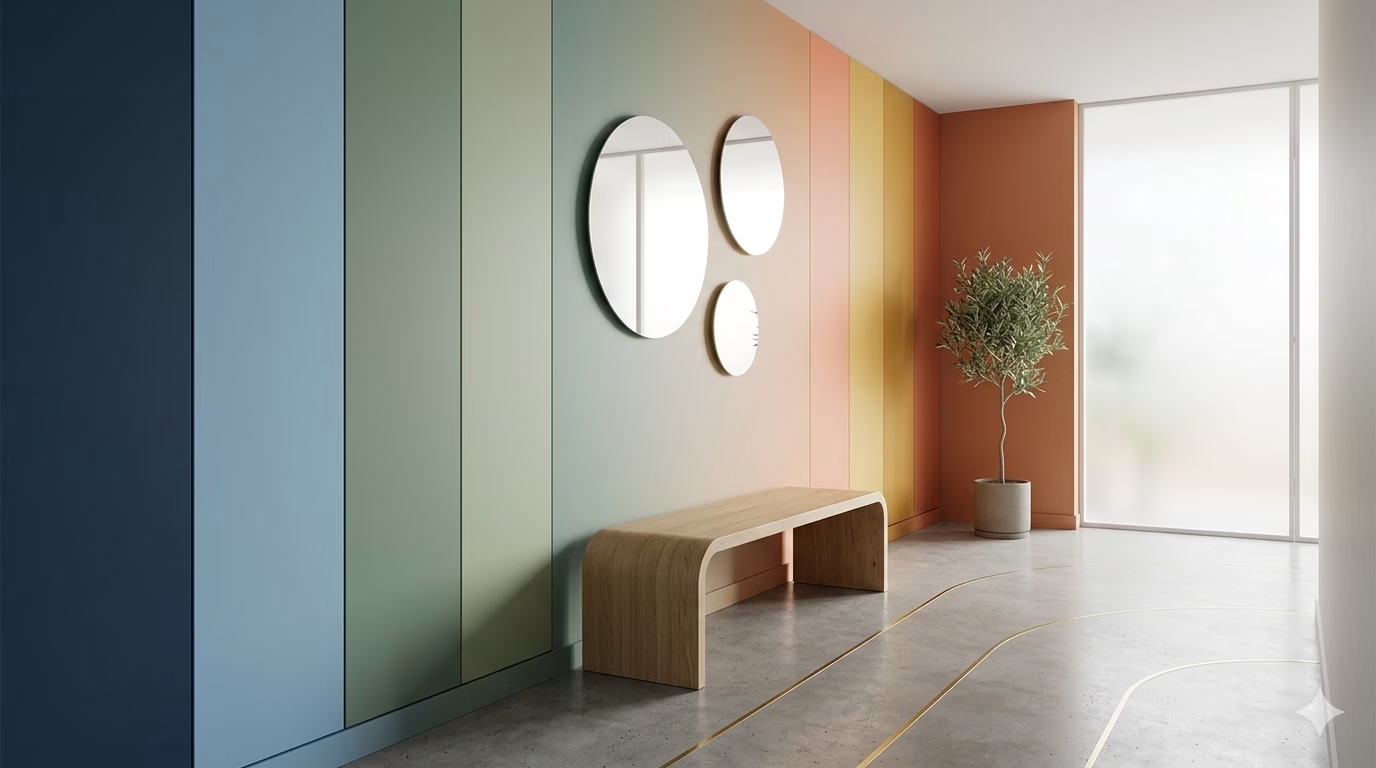
Colour psychology draws from extensive research showing that hues affect the brain and nervous system. Warm colours (reds, oranges, yellows) tend to energise and stimulate, while cool colours (blues, greens) promote calmness and focus.
In interior spaces:
- Warm neutrals (beiges, creams, soft taupes) create feelings of safety, warmth, and emotional stability. They reduce sensory overload and serve as versatile bases that amplify natural light – particularly valuable in Nairobi’s variable daylight conditions.
- Earthy greens and sage tones evoke regeneration, balance, and stress reduction. They connect occupants to nature, supporting biophilic design popular in modern Kenyan homes.
- Soft blues and dusty tones foster tranquillity and clarity, ideal for bedrooms or workspaces where focus and rest are priorities.
- Terracotta, muted ochre, and warm browns ground spaces, promoting comfort and a sense of belonging while adding depth without overwhelming smaller rooms.
These psychological effects make colour a key lever for improving wellbeing, productivity, and even perceived property value in residential interiors.
Choosing Colours for Different Rooms and Functions
Effective application of colour psychology requires matching hues to the intended use of each space.
Living Areas and Social Spaces
Warm, inviting palettes encourage conversation and relaxation. Layer warm neutrals as the dominant base (60% of the scheme) with earthy terracotta or soft green accents (30%) and bolder personal touches (10%). This creates welcoming design mood Nairobi that feels lively yet comfortable for family gatherings or entertaining.
Bedrooms and Private Retreats
Cooler, softer tones such as sage green, dusty blue, or warm cream promote rest and emotional calm. Avoid overly stimulating bright reds or high-contrast schemes. Gentle, layered neutrals with subtle texture help create serene sanctuaries suited to Nairobi’s urban living.
Home Offices and Workspaces
Balanced neutrals with energising accents (muted yellow or teal) support concentration without fatigue. Cool greens or soft blues enhance focus and reduce eye strain during long hours – especially relevant for hybrid workers in home office design Kenya.
Kitchens and Dining Areas
Warm earth tones like caramel, terracotta, or soft beige stimulate appetite and create a social atmosphere. Pair with durable, easy-to-maintain surfaces for practical Kenyan family life.
In small apartment design Nairobi, light-reflective colours (warm whites, creams, and light greys) make compact spaces feel more open and airy, while strategic accent walls add personality without clutter.
Current Colour Trends Aligned with Psychology in Nairobi
In 2026, design mood Nairobi favours grounded, human-centred palettes. Warm greige, pale putty, dusty sage, muted terracotta, and soft earth tones dominate, reflecting a desire for calm, tactile environments. These shades pair beautifully with natural materials such as sisal, wood, and stone – key elements in sustainable interior design Kenya.
Afro-modern touches allow subtle cultural integration: warm terracotta inspired by Kenyan landscapes or sage greens evoking savannah and Rift Valley tones. These choices deliver emotional stability while maintaining contemporary appeal.
Layering techniques, such as the 60-30-10 rule, help achieve balance: 60% dominant neutral, 30% secondary tone, and 10% accent. This prevents visual chaos while allowing meaningful personalization.
Practical Tips for Applying Colour Psychology
- Test colours in your actual space under different lighting conditions, as Nairobi’s natural light can shift tones dramatically.
- Consider the full scheme – walls, furniture, textiles, and flooring – for harmonious results.
- Use lighting to enhance psychology: warm LEDs complement earthy tones; cooler lighting pairs well with greens and blues.
- Incorporate texture and material to amplify effects – matte finishes soften intense colours, while natural fibres add warmth.
- Start small with accent walls, cushions, or artwork if committing to large changes feels daunting.
Professional guidance ensures colours align with your lifestyle, architecture, and long-term goals rather than fleeting trends.
Why Saint Boss?
Saint Boss expertly applies colour psychology interiors to craft spaces that positively influence mood and functionality. Our team combines deep understanding of colour theory with practical knowledge of Nairobi’s residential and commercial environments.
Through comprehensive services – concept development, detailed space planning, material selection, and full fit-outs – we deliver cohesive designs where colour enhances wellbeing, supports daily routines, and reflects personal or brand identity. Whether creating calm residential interiors or productive workspaces, our integrated model ensures seamless, high-quality execution.
Conclusion
The power of colour psychology interiors lies in its ability to shape how we feel and function within our spaces. By thoughtfully selecting hues that evoke desired emotions – calm, energy, focus, or warmth – homeowners and businesses in Nairobi can transform ordinary rooms into environments that nurture wellbeing and reflect Kenyan context.
From warm earthy neutrals and restorative greens to balanced accents, colour offers an accessible yet profound way to elevate design mood Nairobi. When guided by expertise, these choices create timeless, harmonious interiors that improve quality of life.
If you are ready to harness the psychological benefits of colour in your home or project, Saint Boss is prepared to guide the process with creativity and precision. Visit www.saintboss.com to explore our portfolio and discover how our integrated interior design services can help you create spaces that truly resonate.