Texture is a powerful, often underused tool in interior design. While colour sets the mood and furniture defines function, texture brings spaces to life by engaging both sight and touch. It adds depth, warmth, and visual interest, making rooms feel more inviting, sophisticated, and comfortable.
In Kenyan homes, where natural light is abundant and daily life is dynamic, mastering texture in interior design creates environments that feel grounded, luxurious, and perfectly suited to our climate and lifestyle. From compact apartments in Westlands to family homes in Karen, thoughtful décor layers Kenya can transform flat, ordinary spaces into rich, multi-dimensional interiors.
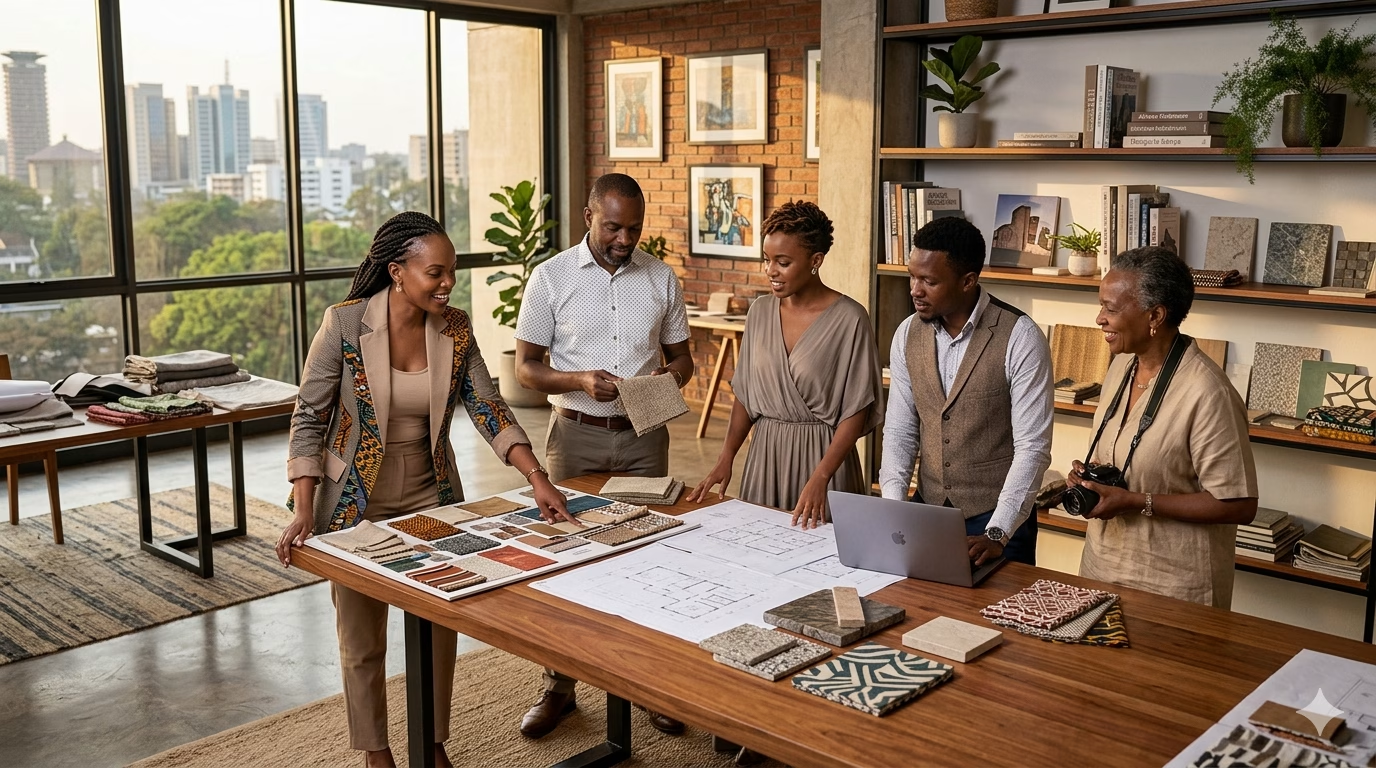
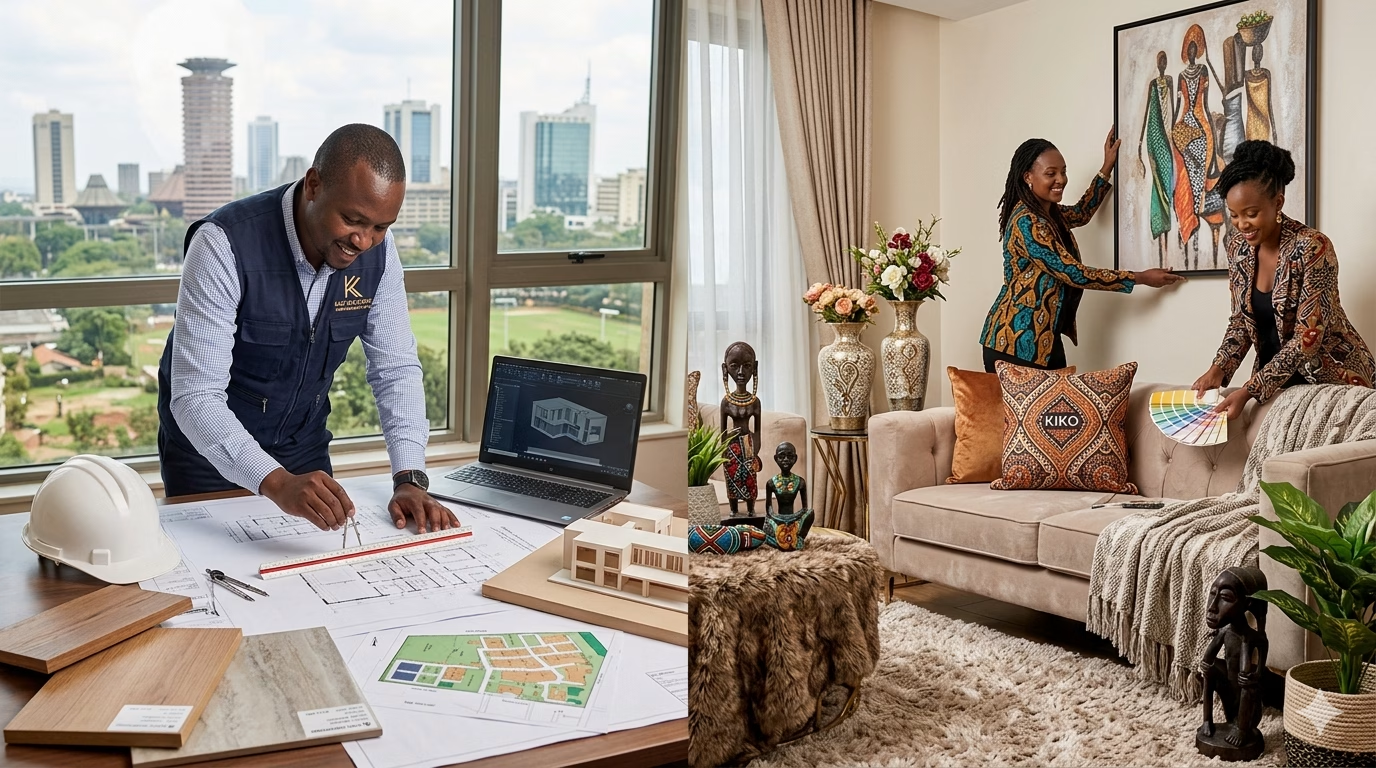
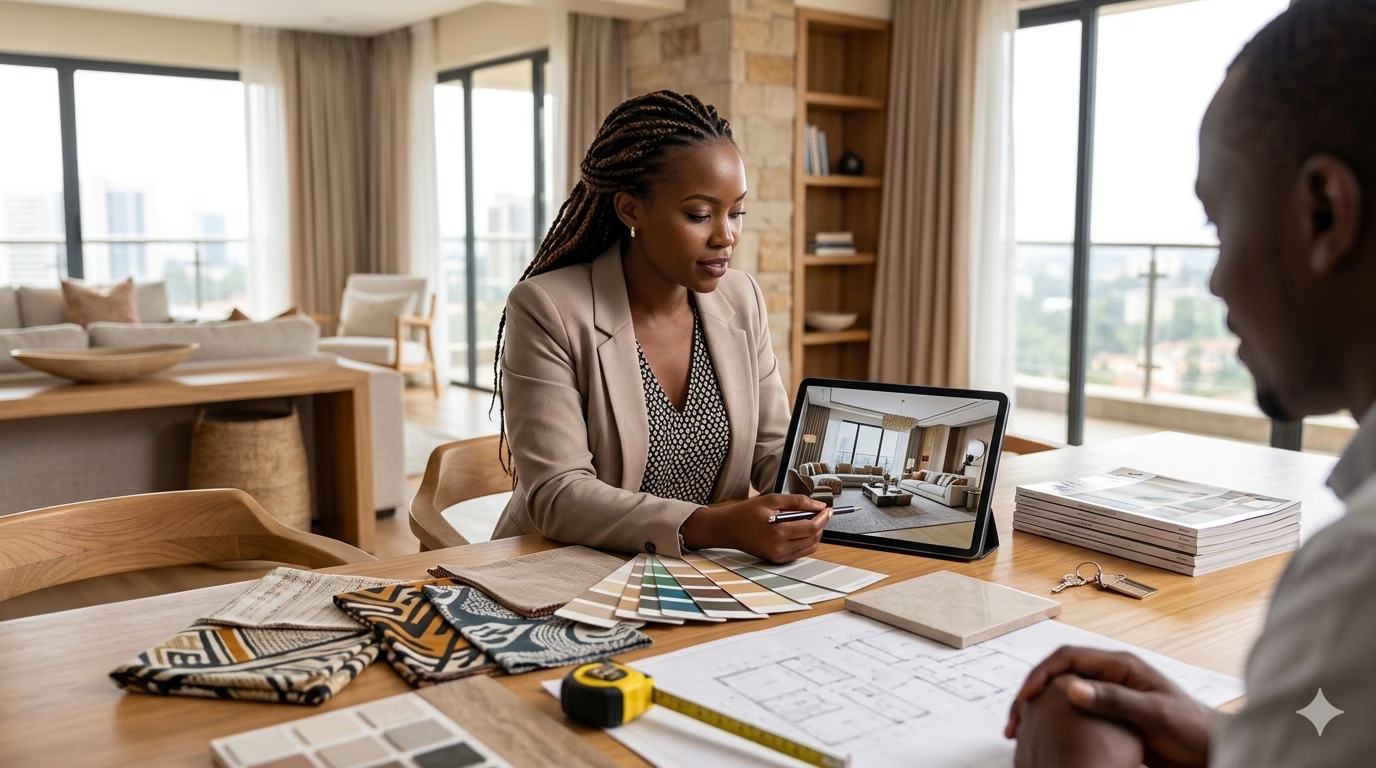
Saint Boss, a leading Nairobi-based interior design and construction firm, specialises in creating beautifully layered spaces. Our designs celebrate natural materials and tactile contrasts while remaining practical for Kenyan living conditions.
This guide shares practical techniques for using texture to elevate your interiors with confidence.
Why Texture Matters in Kenyan Homes
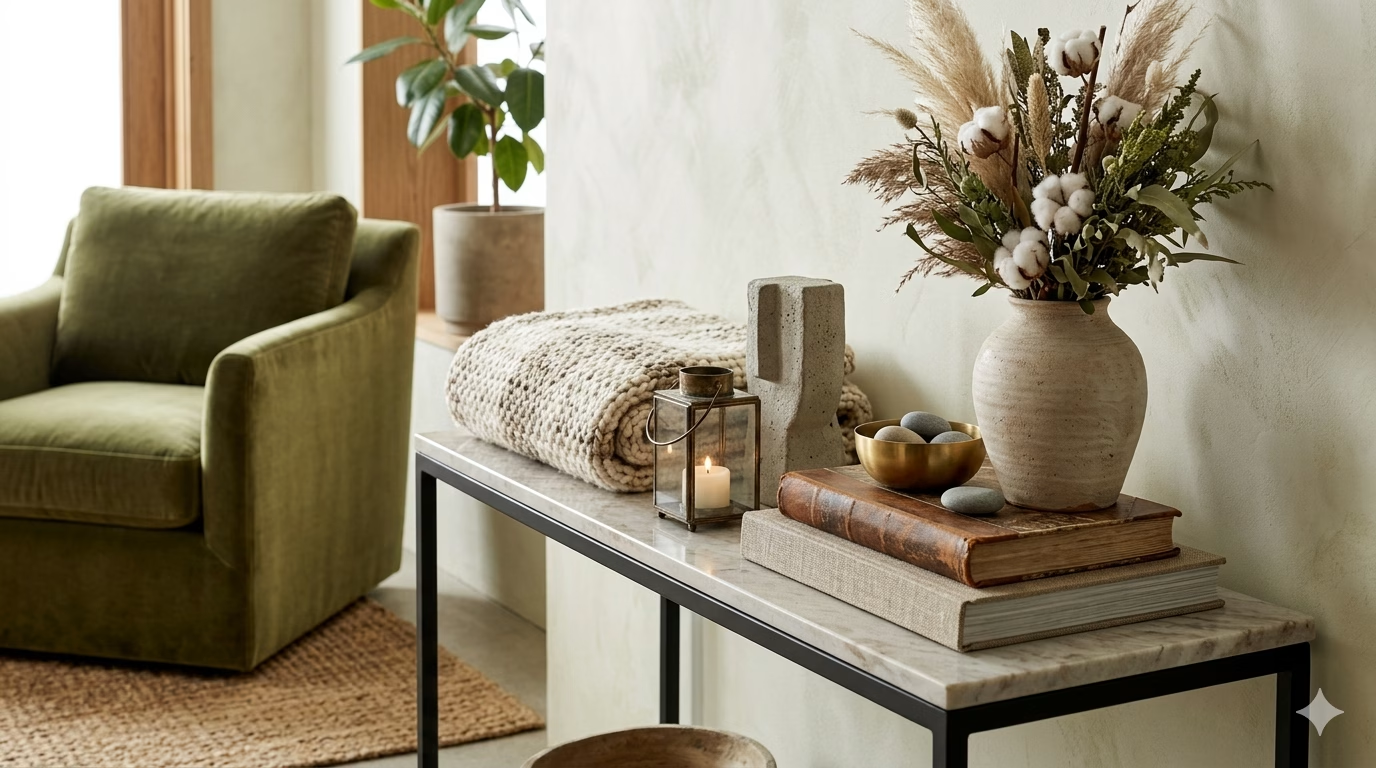
Texture prevents interiors from feeling one-dimensional. It softens hard surfaces, improves acoustics, hides minor imperfections, and adds emotional warmth. In Nairobi’s bright equatorial light, different textures catch and play with light beautifully, creating shifting moods throughout the day.
Well-executed textural layering also supports sustainable interior design Kenya by incorporating locally available natural materials that perform well in our variable climate.
Types of Texture to Consider
1. Natural & Organic Textures
These bring warmth and authenticity:
- Sisal, jute, and raffia rugs
- Reclaimed wood, bamboo, and rattan
- Natural stone and textured plaster walls
- Linen, cotton, wool, and boucle fabrics
2. Smooth & Polished Textures
These provide contrast and elegance:
- Polished marble or quartz
- Glossy ceramic tiles
- Sleek lacquered cabinetry
- Glass and brushed metal accents
3. Soft & Tactile Textures
These invite touch and add comfort:
- Velvet, chunky knits, and shearling throws
- Layered curtains and soft upholstery
- Plush cushions and textured pillows
How to Layer Texture Effectively
Follow the 60-30-10 Rule
- 60% dominant/base texture (e.g., sisal rug or wooden flooring)
- 30% secondary texture (e.g., linen sofa or wooden coffee table)
- 10% accent texture (e.g., metallic lamp, velvet cushion, or woven basket)
Create Contrast
Pair opposites for maximum impact:
- Rough sisal rug with smooth leather sofa
- Matte fluted wall with glossy marble tabletop
- Woven rattan chair with soft linen cushions
Apply Texture by Room
Living Room
Layer a natural sisal base rug with a softer area rug. Add a wooden coffee table, linen or boucle sofa, and woven baskets. Finish with textured wall panels or a fluted console for depth.
Bedroom
Use linen bedding with a chunky knit throw, a wooden or upholstered headboard, and a natural fibre rug. Add sheer linen curtains under heavier drapes for softness and light control.
Dining Area
Combine a wooden dining table with rattan or upholstered chairs, textured pendant lights, and a statement sisal or jute rug underneath.
Small Apartments
In compact Nairobi homes, use vertical texture, fluted wall panels, macramé wall hangings, or floating wooden shelves, to add interest without taking up floor space.
Design Principles for Successful Textural Layering
- Repeat at least one texture across the room for cohesion
- Consider lighting, texture becomes more dramatic when hit by natural or directional light
- Balance rough with smooth, hard with soft, matte with glossy
- Choose durable textures for high-traffic family areas
- In minimalist schemes, subtle textural variations prevent the space from feeling cold
Natural materials like sisal and wood are especially effective in Kenya as they age gracefully and handle dust and humidity better than many synthetic alternatives.
Why Saint Boss?
Saint Boss specialises in using texture in interior design to create warm, sophisticated, and practical spaces. Our team carefully selects and layers materials that perform well in Kenyan conditions while delivering the depth and character our clients desire.
Whether you are refreshing a single room or undertaking a full home renovation, our integrated services, from concept and material selection to complete fit-outs, ensure every texture contributes to a harmonious and beautiful result.
Conclusion
Using texture effectively is one of the simplest ways to elevate your interiors from basic to exceptional. By thoughtfully layering natural, smooth, and soft textures, you can add warmth, depth, and personality while creating spaces that feel both stylish and comfortable.
These décor layers Kenya techniques work beautifully across different home styles and sizes, from warm minimalist apartments to family homes embracing Afro-modern or sustainable aesthetics.
Ready to bring rich texture and dimension into your home? Saint Boss is here to help. Visit www.saintboss.com to explore our portfolio and discover how our integrated interior design services can transform your space with beautiful, layered textures.