Kenya’s hospitality industry is thriving in 2026, with new boutique hotels, eco-lodges, urban retreats, and coastal resorts opening across the country. Today’s travellers seek more than just accommodation, they crave immersive, memorable experiences that blend comfort, culture, and sustainability.
Hotel design Kenya has responded by moving away from generic international styles toward authentic, context-driven interiors that celebrate Kenyan identity while meeting global expectations for luxury and wellbeing.
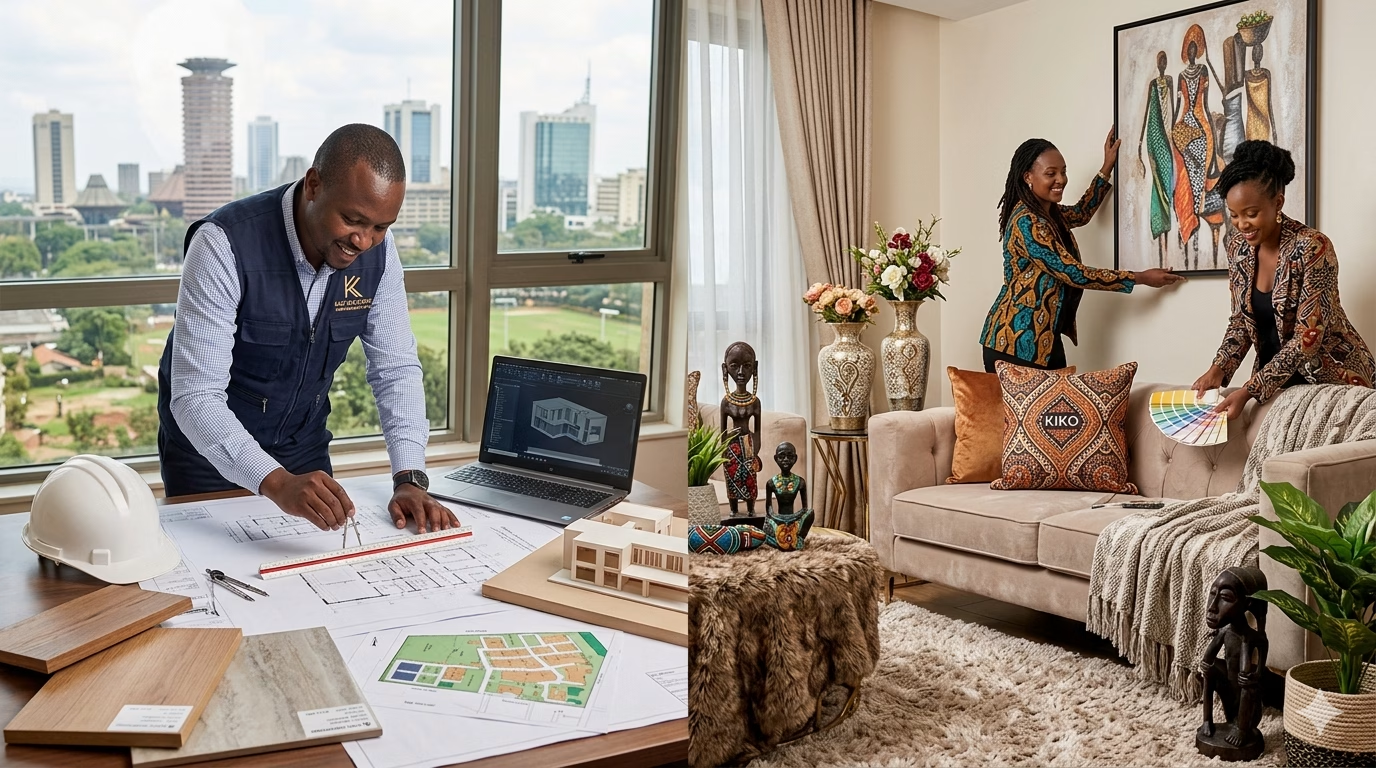
Saint Boss, a leading Nairobi-based interior design and construction firm, specialises in creating exceptional hospitality interiors. Our integrated design, space planning, and fit-out services help hotel developers deliver distinctive, operationally efficient, and guest-focused spaces across Kenya.
This article explores the leading hotel design Kenya trends shaping the industry in 2026 and offers practical insights for hoteliers and developers.
1. Biophilic Design – Bringing Nature Indoors
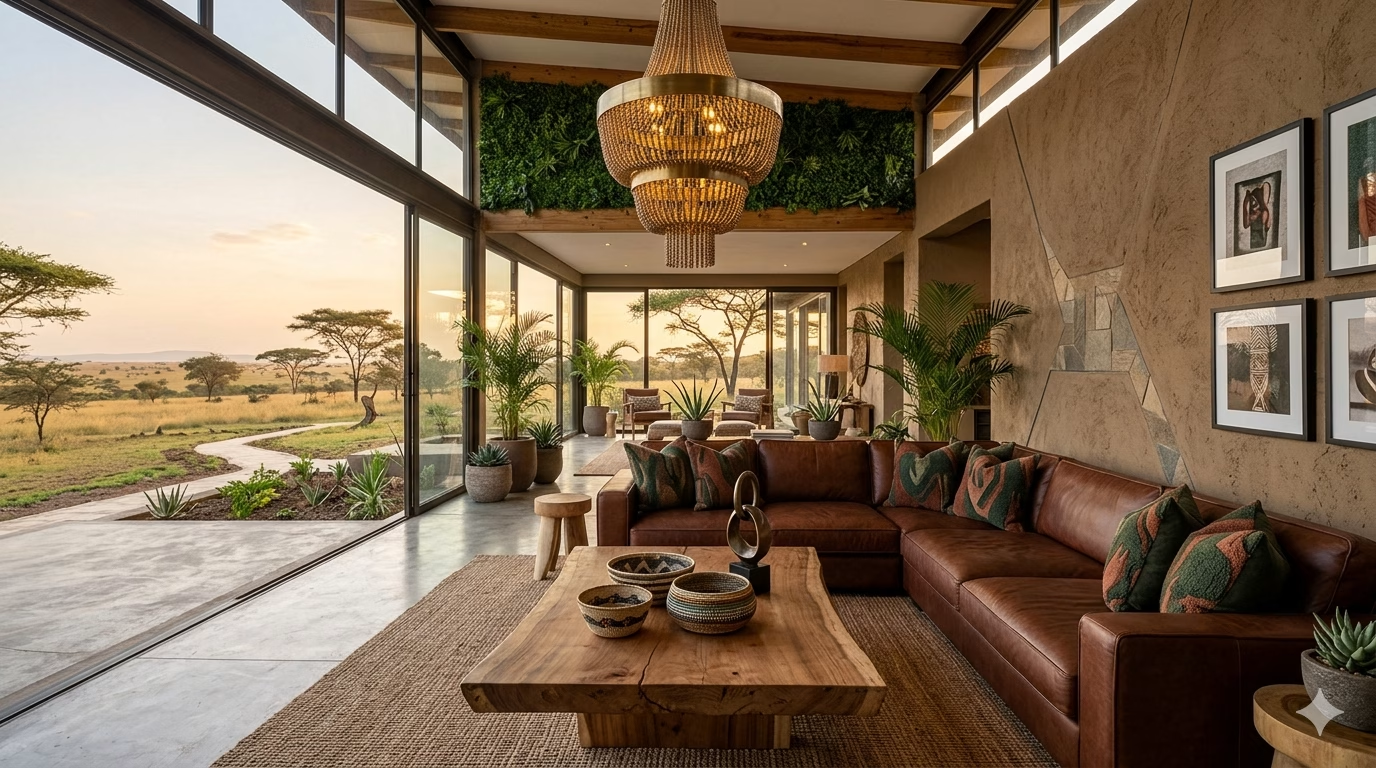
Biophilic design continues to dominate hospitality interiors in Kenya. Guests increasingly desire spaces that reconnect them with nature, whether in bustling Nairobi hotels or remote safari lodges.
Key features include:
- Abundant indoor greenery, vertical gardens, and living walls
- Maximised natural light and seamless indoor-outdoor transitions
- Natural materials such as wood, stone, sisal, and thatch
- Water features and organic forms that soften interiors
On the coast, this trend incorporates ocean breezes and views, while safari properties use local vegetation and earthy palettes to create harmony with the surrounding wilderness.
2. Afro-Modern Aesthetics and Cultural Storytelling
Modern Kenyan hotels are embracing refined Afro-modern design, a sophisticated fusion of contemporary minimalism and Kenyan cultural heritage.
Popular elements:
- Contemporary interpretations of traditional patterns and motifs
- Locally crafted furniture, handwoven textiles, and artisan accessories
- Warm earthy colour palettes inspired by Kenyan landscapes (terracotta, ochre, sage, and deep browns)
- Statement pieces featuring Kenyan art and craftsmanship
This approach creates distinctive, emotionally resonant spaces that differentiate properties while making guests feel connected to Kenya’s rich cultural tapestry.
3. Sustainable and Eco-Conscious Hospitality Interiors
Sustainability is now a core guest expectation. Leading hotels are integrating environmentally responsible practices into their hotel design Kenya.
Notable approaches:
- Use of locally sourced, renewable, and reclaimed materials
- Energy-efficient lighting, water-saving fixtures, and passive design strategies
- Low-VOC finishes and non-toxic materials for healthier indoor environments
- Visible sustainable features that become part of the guest experience
Many properties now highlight their eco-credentials through design storytelling, appealing to conscious travellers.
4. Warm Minimalism and Quiet Luxury
Overly themed or ornate designs are giving way to warm minimalism and quiet luxury. Clean lines, layered textures, and subtle details create sophisticated yet calming environments.
Hallmarks of this trend:
- Neutral palettes with rich textural contrast
- Curved furniture and organic shapes for softness
- High-quality natural materials that age gracefully
- Discreet integration of technology
This aesthetic works beautifully across urban business hotels, coastal resorts, and safari lodges.
5. Flexible and Multi-Functional Public Spaces
Modern hotels require adaptable public areas that serve multiple purposes throughout the day. Lobby lounges, co-working corners, wellness zones, and flexible event spaces are becoming standard.
Design solutions include:
- Modular furniture and movable partitions
- Multi-purpose rooms with excellent acoustics
- Seamless blending of work, relaxation, and social zones
In Nairobi, this flexibility supports the growing digital nomad and business traveller segments who expect their hotel to function as a productive extension of their workspace.
6. Elevated Guest Room and Bathroom Experiences
Guest rooms are receiving focused attention with trends emphasising:
- Spa-like bathrooms featuring natural stone, premium fixtures, and thoughtful lighting
- Comfortable, ergonomic beds with luxurious linens
- Smart yet unobtrusive technology (lighting, climate, and connectivity)
- Personalised touches using local artisan products and clever storage solutions
Why Saint Boss?
Saint Boss has extensive experience in hotel design Kenya and hospitality interiors. Our full-spectrum services, from concept development and detailed space planning to complete fit-outs and project management, ensure every project is delivered on time, within budget, and to the highest standards.
We understand the unique demands of Kenyan hospitality, from coastal humidity and safari dust to Nairobi’s urban intensity. Our designs balance operational efficiency with emotional resonance, helping properties stand out in a competitive market.
Conclusion
Hotel interior design trends across Kenya in 2026 centre on biophilic connections, cultural authenticity, sustainability, warm minimalism, and flexible functionality. By embracing these directions, hotel developers can create memorable guest experiences that reflect Kenya’s unique character while meeting modern expectations for comfort and responsibility.
Successful hospitality interiors combine beauty with practicality, delivering spaces that guests love and businesses can operate profitably for years to come.
If you are planning a new hotel development, renovation, or interior refresh, Saint Boss is ready to help transform your vision into reality. Visit www.saintboss.com to explore our portfolio and discover how our integrated services can elevate your hospitality property across Kenya.