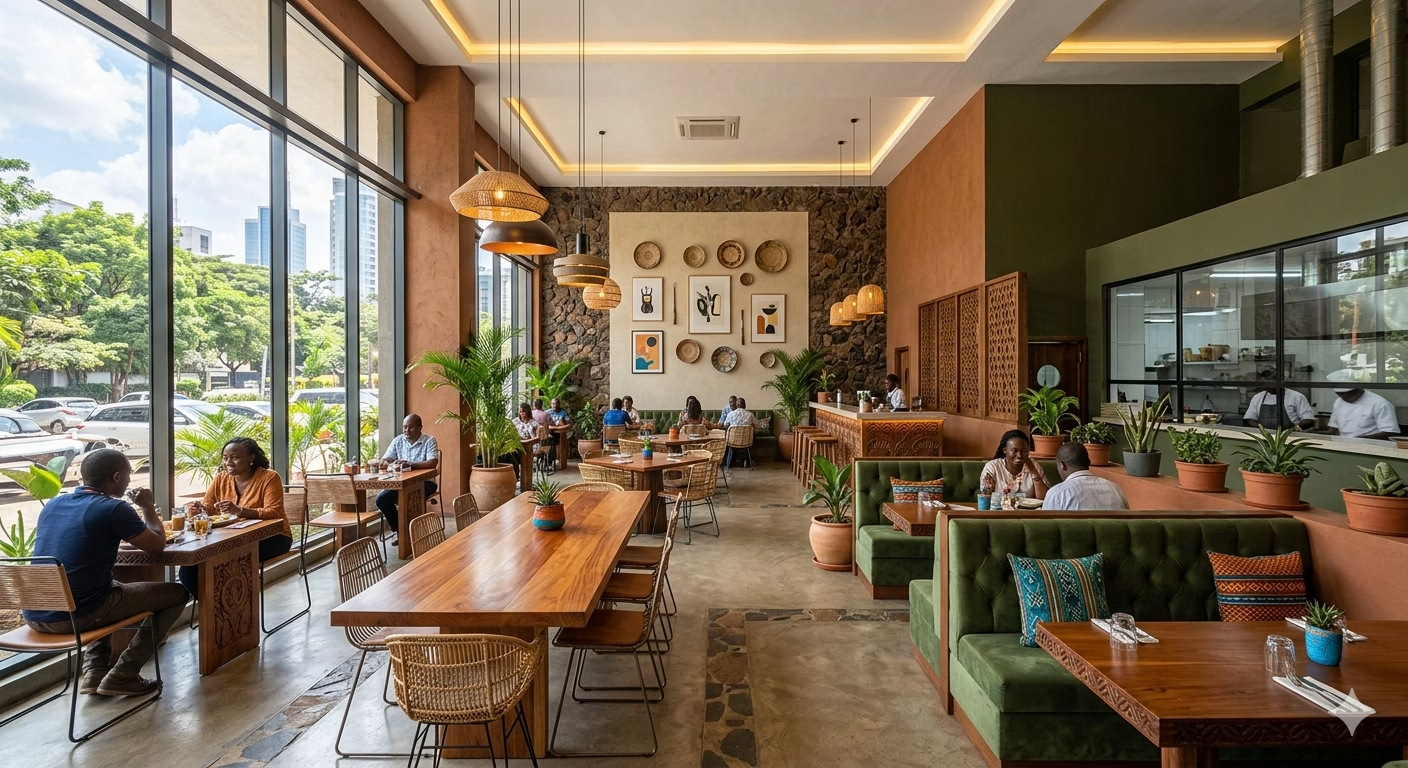
Nairobi’s vibrant food and beverage scene continues to expand rapidly in 2026. From new fine-dining establishments in Westlands and Upper Hill to casual eateries in Kilimani and neighbourhood spots in Karen, restaurant owners recognise that compelling interiors play a decisive role in attracting and retaining customers. A well-designed restaurant interior Nairobi does more than look attractive , it influences dwell time, spending patterns, social media sharing, and overall brand perception.
Effective hospitality design Kenya balances aesthetics, functionality, durability, and operational efficiency while responding to local climate, cultural preferences, and customer expectations. Whether launching a new venue or refreshing an existing one, strategic design decisions can significantly improve the guest experience and business performance.
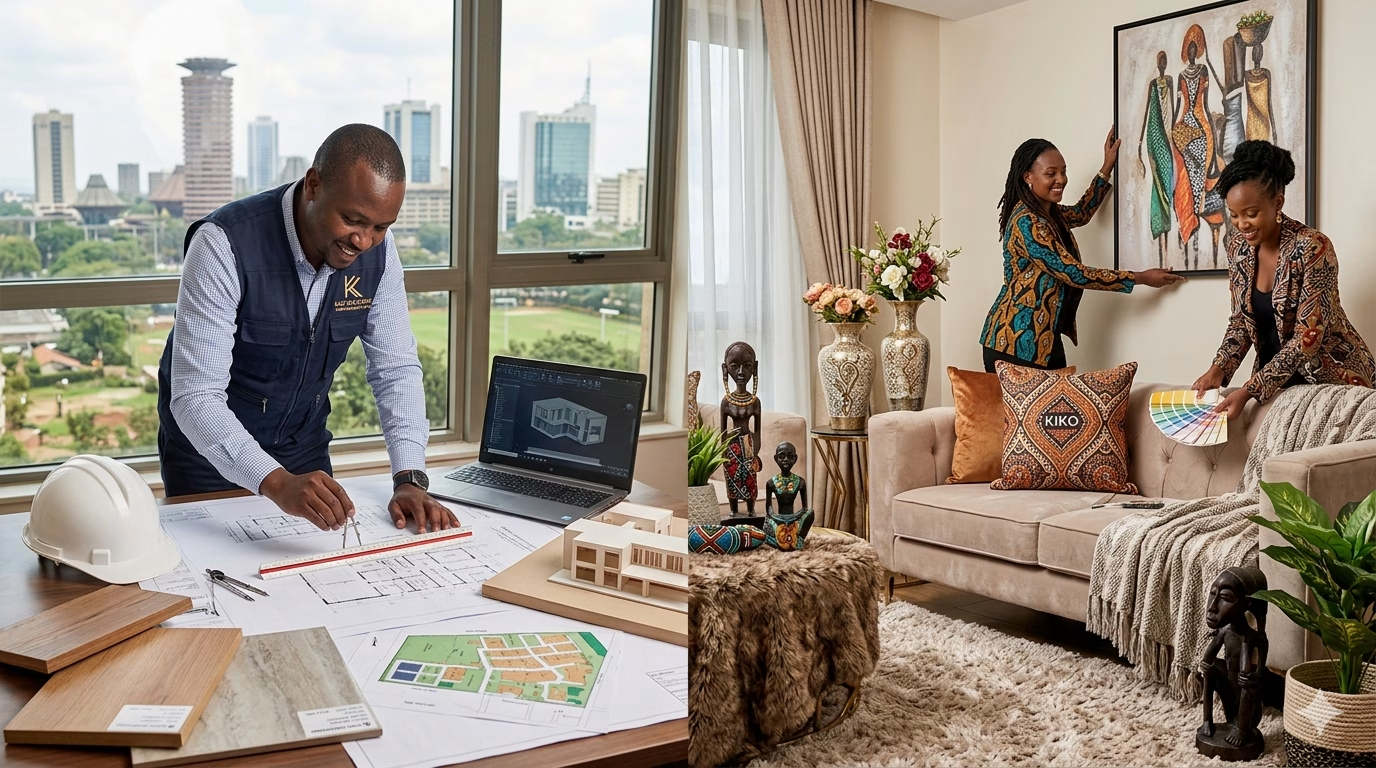
Saint Boss, a premium Nairobi-based firm offering comprehensive interior design, space planning, furniture supply, fit-outs, and project management, has supported numerous hospitality projects across the city. Our integrated approach ensures seamless delivery from concept to final handover, helping restaurant operators create memorable spaces that drive success.
This article provides practical, actionable tips for designing or renovating restaurant interiors in Nairobi, grounded in current trends and real-world considerations for Kenyan businesses.
Understand Your Brand, Target Audience, and Concept
The foundation of successful restaurant interior Nairobi begins with clarity. Define your restaurant’s identity before selecting colours, materials, or layouts.
Key questions to consider:
- Who is your primary clientele? (young professionals, families, tourists, corporate diners, or niche food enthusiasts)
- What dining experience do you want to deliver? (quick casual, intimate fine dining, vibrant social hub, or relaxed neighbourhood spot)
- How does the cuisine influence the atmosphere? (coastal-inspired, pan-African fusion, contemporary Kenyan, or international)
A clear concept brief guides every subsequent decision and prevents costly mid-project changes. Professional designers help translate your vision into cohesive mood boards and 3D visualisations that align with business goals.
Incorporating subtle Kenyan cultural elements , through artwork, textiles, or artisan-crafted features , can create authenticity that resonates with both local and international guests.
Optimise Layout and Flow for Operational Efficiency
Layout directly affects service speed, capacity, and guest comfort. In hospitality design Kenya, efficient circulation is essential to avoid bottlenecks during peak hours.
Practical layout tips:
- Create clear zones: entrance/waiting area, bar, main dining, private sections, and accessible toilets.
- Ensure adequate spacing between tables for comfortable movement and waiter service.
- Design flexible areas that can accommodate different group sizes or events.
- Position the kitchen pass and service stations strategically to minimise staff travel distance.
Consider accessibility and compliance with Nairobi County regulations, including fire safety and universal design principles. In high-traffic venues, durable flooring and easy-to-clean surfaces reduce maintenance time and costs.
For smaller spaces common in Nairobi, clever space planning , such as banquette seating, bar counters, or multi-level arrangements , maximises seating without feeling cramped.
Create Ambiance with Lighting, Colour, and Texture
Lighting is one of the most powerful tools in restaurant design. Layer ambient, task, and accent lighting to set different moods throughout the day , brighter for lunch, warmer and dimmable for evening dining.
Warm neutral palettes with earthy tones remain popular in 2026 restaurant interior Nairobi projects, creating welcoming yet sophisticated atmospheres. Combine these with textural interest through wood, stone, woven materials, or fluted panels.
Incorporate biophilic elements such as indoor plants, living walls, or natural materials to soften the space and improve perceived comfort. Curved forms and organic shapes add softness and modernity, while strategic use of mirrors can enhance light and make compact venues feel larger.
Sound management is equally important. Acoustic treatments, soft furnishings, and thoughtful material choices help control noise levels without sacrificing style.
Select Durable Materials Suited to Kenyan Conditions
Restaurant interiors face heavy daily use, spills, and cleaning. Choosing the right materials is critical for longevity and hygiene.
Recommended options for hospitality design Kenya:
- Porcelain or natural stone tiles for high-traffic flooring
- Easy-clean, commercial-grade upholstery and fabrics with stain resistance
- Sustainable hardwoods or bamboo for tables and feature elements
- Low-VOC paints and finishes for better indoor air quality
Prioritise locally sourced or regionally available materials where possible to reduce lead times and support the Kenyan economy. Professional guidance ensures selections balance aesthetics, durability, budget, and maintenance requirements.
Integrate Technology and Flexible Design
Modern diners expect seamless experiences. Incorporate discreet technology such as:
- Charging points at tables
- Sound systems and AV for background music or events
- Smart lighting controls for easy mood adjustments
- POS integration and efficient workflow systems
Design with flexibility in mind , movable furniture, modular seating, and adaptable private dining areas allow venues to host different events and adapt to changing trends.
Why Saint Boss?
Saint Boss brings extensive experience in restaurant interior Nairobi and broader hospitality design Kenya projects. Our full-spectrum services combine creative interior design with expert project management and fit-out execution, ensuring high-quality results delivered on time and within budget.
We understand the unique demands of the hospitality sector , from fast turnaround requirements to operational efficiency and guest experience. Our team, including experienced designers, delivers spaces that are both visually compelling and practically optimised for Kenyan restaurant environments.
Conclusion
Successful restaurant interior design in Nairobi requires a thoughtful blend of brand storytelling, operational efficiency, atmospheric ambiance, and durable execution. By starting with a clear concept, optimising layout and flow, layering lighting and textures, selecting appropriate materials, and integrating modern technology, business owners can create venues that attract customers, encourage longer stays, and support profitability.
These principles apply whether launching a new establishment or refreshing an existing one, helping your restaurant stand out in Nairobi’s competitive dining landscape.
If you are planning a restaurant project or seeking expert guidance for hospitality design Kenya, Saint Boss is ready to support you with professional, integrated solutions. Visit www.saintboss.com to explore our portfolio and discover how we can help bring your vision to life.