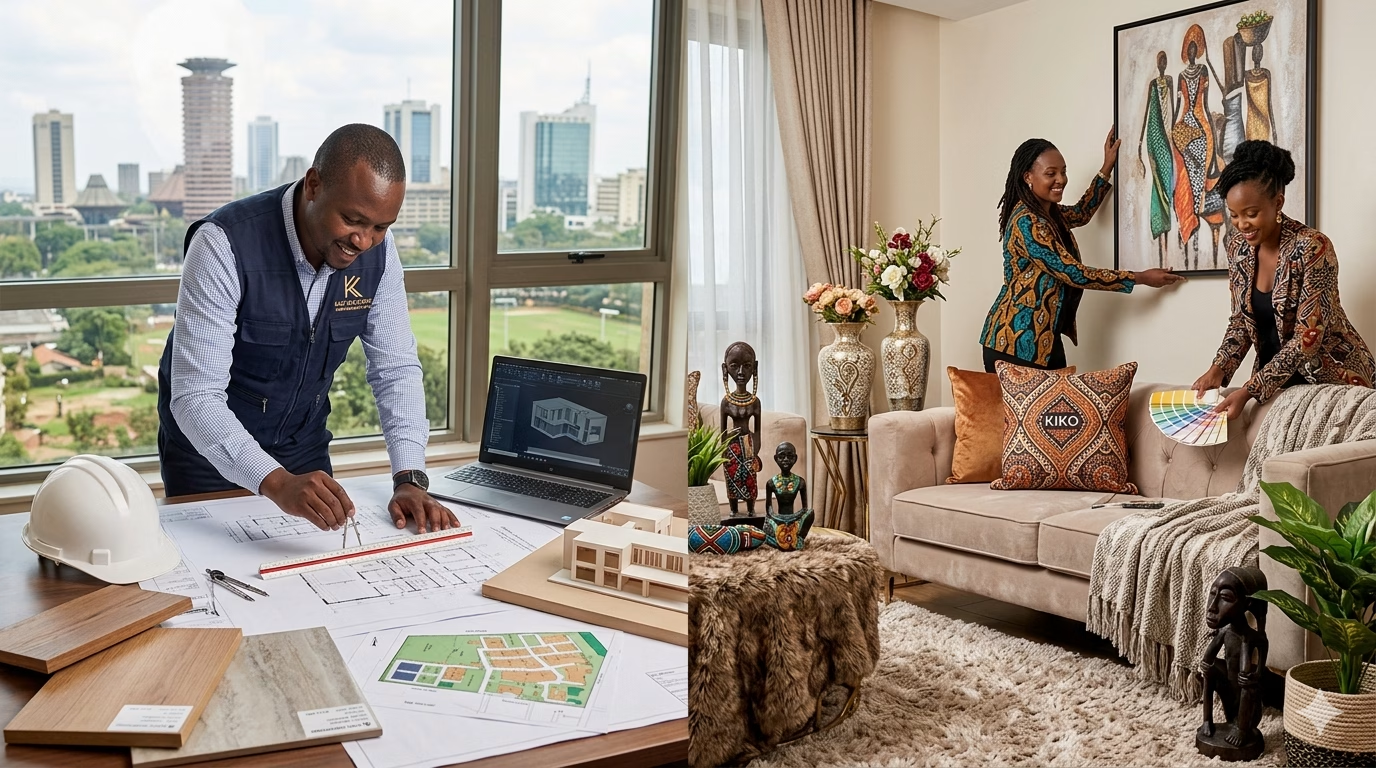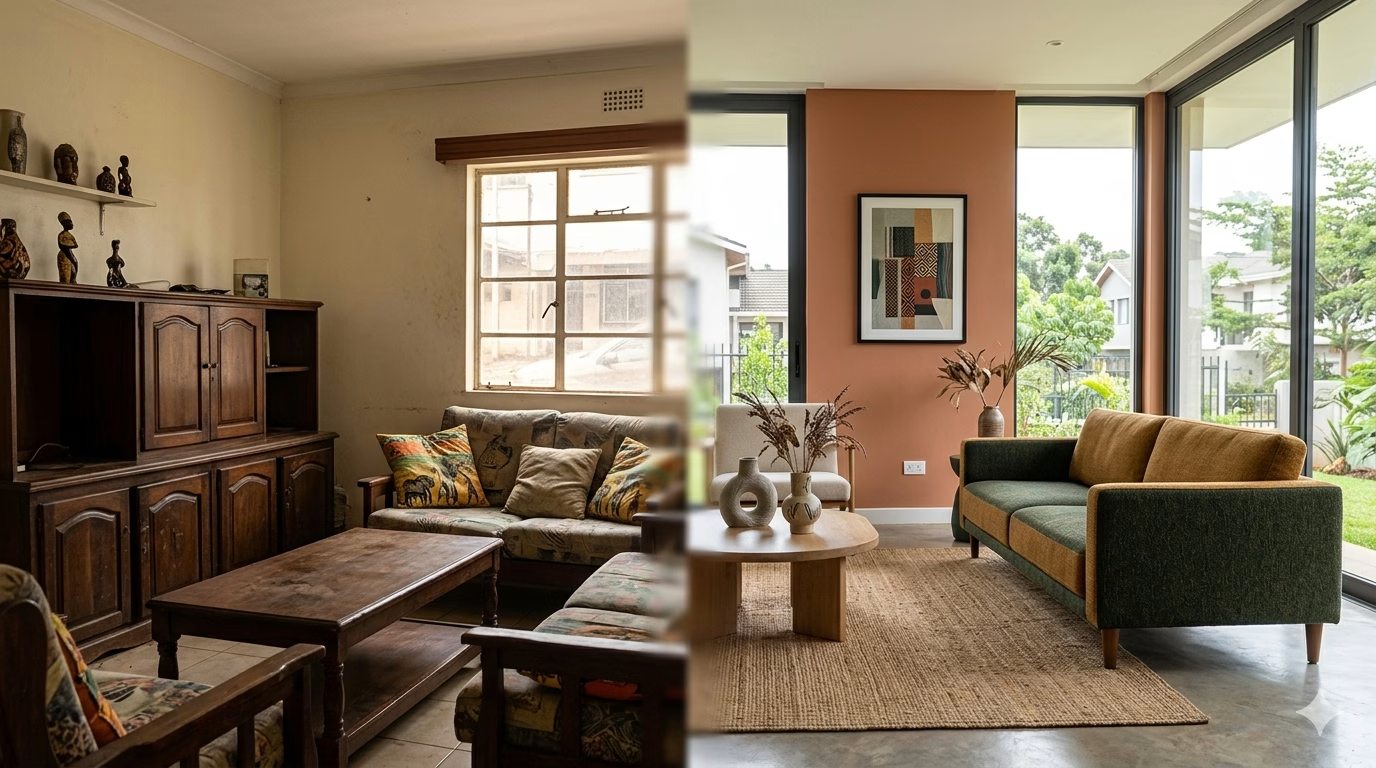
Many Kenyan homeowners approach interior design with preconceived notions that can limit their choices or lead to unnecessary expenses. From the belief that good design is only for the wealthy to the idea that trends must be followed strictly, these interior design myths often prevent families from creating beautiful, functional spaces that truly suit their lifestyle and budget.
In 2026, with growing awareness of local materials and practical design solutions, it’s time to separate fact from fiction. Whether you live in a compact apartment in Westlands or a family home in Karen, understanding the reality behind common myths can help you make confident, cost-effective decisions.
Saint Boss, a premium Nairobi-based interior design and construction firm, works closely with Kenyan homeowners every day. Our integrated services in interior design, space planning, and fit-outs allow us to deliver practical, beautiful residential interiors that debunk many of these longstanding myths.
Here are the most common interior design myths we hear from Kenyan homeowners, and the truth behind them.
Myth 1: Interior Design Is Only for Rich People
Reality: Professional interior design is accessible at various budget levels.
Many homeowners assume hiring a designer is a luxury reserved for high-end villas. In truth, a good designer helps optimise your existing space and budget, often saving money in the long run by avoiding costly mistakes.
Even modest projects, such as refreshing a living room or optimising a small apartment, benefit from professional space planning and material guidance. Saint Boss offers flexible packages that suit different budgets while delivering high-value results.
Myth 2: You Must Follow the Latest Trends to Have a Beautiful Home
Reality: Timeless design beats fleeting trends.
Chasing every new trend leads to spaces that quickly feel dated. Kenyan homeowners are increasingly favouring warm neutrals, natural textures, and Afro-modern elements that feel authentic and enduring.
A skilled designer focuses on your lifestyle, needs, and the architecture of your home rather than forcing trendy elements. The best interiors in Nairobi blend current influences with personal taste and practical durability.
Myth 3: Interior Design Is Just About Choosing Pretty Colours and Furniture
Reality: Good design is about solving problems and improving how you live.
Interior design involves space planning, lighting, acoustics, material performance, storage solutions, and flow. In Kenyan homes, it must also consider climate, dust, power reliability, and family dynamics.
A professional approach addresses functionality first, then layers beauty on top. This is especially important in office fitouts Nairobi and family homes where daily living demands practical solutions.
Myth 4: Expensive Materials Always Look Better
Reality: Smart material selection delivers better long-term value.
High price does not always equal high quality or suitability. Locally sourced sisal, bamboo, reclaimed wood, and well-chosen porcelain tiles often outperform imported luxury materials in Kenyan conditions while costing less.
Experienced designers know how to combine affordable, durable options with strategic splurges to achieve a luxurious look without overspending.
Myth 5: Small Spaces Cannot Look Luxurious
Reality: Small apartments can feel more luxurious than large ones when well-designed.
Many Nairobi residents live in compact homes. With clever space planning, vertical storage, mirrors, light colours, and strategic textural layering, even small units can feel spacious, calm, and elegant.
Techniques like multi-functional furniture and thoughtful material choices make limited square metres work harder and look more sophisticated.
Myth 6: Sustainable Design Is More Expensive and Less Beautiful
Reality: Sustainable choices can be both cost-effective and visually stunning.
Using local materials, low-VOC finishes, and energy-efficient solutions often reduces long-term costs. Many sustainable options, such as sisal rugs, bamboo cabinetry, and natural stone, bring warmth and character that enhance the beauty of a home.
Sustainable interior design Kenya is now a mainstream approach that delivers both environmental and aesthetic benefits.
Myth 7: Once Designed, a Home Never Needs Updating
Reality: Homes evolve as families and lifestyles change.
Children grow, work patterns shift, and tastes develop. Good interior design anticipates future needs through flexible layouts and timeless foundations that allow easy updates without full renovations.
Why Saint Boss?
At Saint Boss, we believe every Kenyan homeowner deserves a well-designed home that fits their lifestyle and budget. We debunk these interior design myths daily by delivering practical, beautiful, and affordable residential interiors across Nairobi and Kenya.
Our integrated team handles everything from initial consultation and space planning to material selection and complete fit-outs. Whether your project is modest or high-end, we focus on creating spaces that are functional, durable, and personally meaningful.
Conclusion
Many common interior design myths hold Kenyan homeowners back from creating the beautiful, functional homes they deserve. By understanding the truth, that good design is accessible, timeless, practical, and often more affordable than expected, you can approach your project with confidence.
Professional guidance helps separate myth from reality and ensures your investment delivers lasting value and joy.
If you are ready to create a home that truly works for your family, without falling for common myths, Saint Boss is here to help. Visit www.saintboss.com to explore our portfolio and discover how our integrated services can turn your vision into a beautiful, functional reality in Nairobi and across Kenya.