The rise of hybrid and remote working has made a well-designed home office essential for many professionals in Kenya. In 2026, a thoughtfully planned home office design Kenya boosts productivity, supports focus, and improves overall wellbeing while blending seamlessly with residential living.
Whether carving out space in a Nairobi apartment in Kilimani or Westlands, or dedicating a room in a family home in Karen or Runda, the right setup minimises distractions and enhances performance. Effective remote work interiors address local realities , variable power supply, natural light opportunities, climate considerations, and the need for both concentration and virtual collaboration.
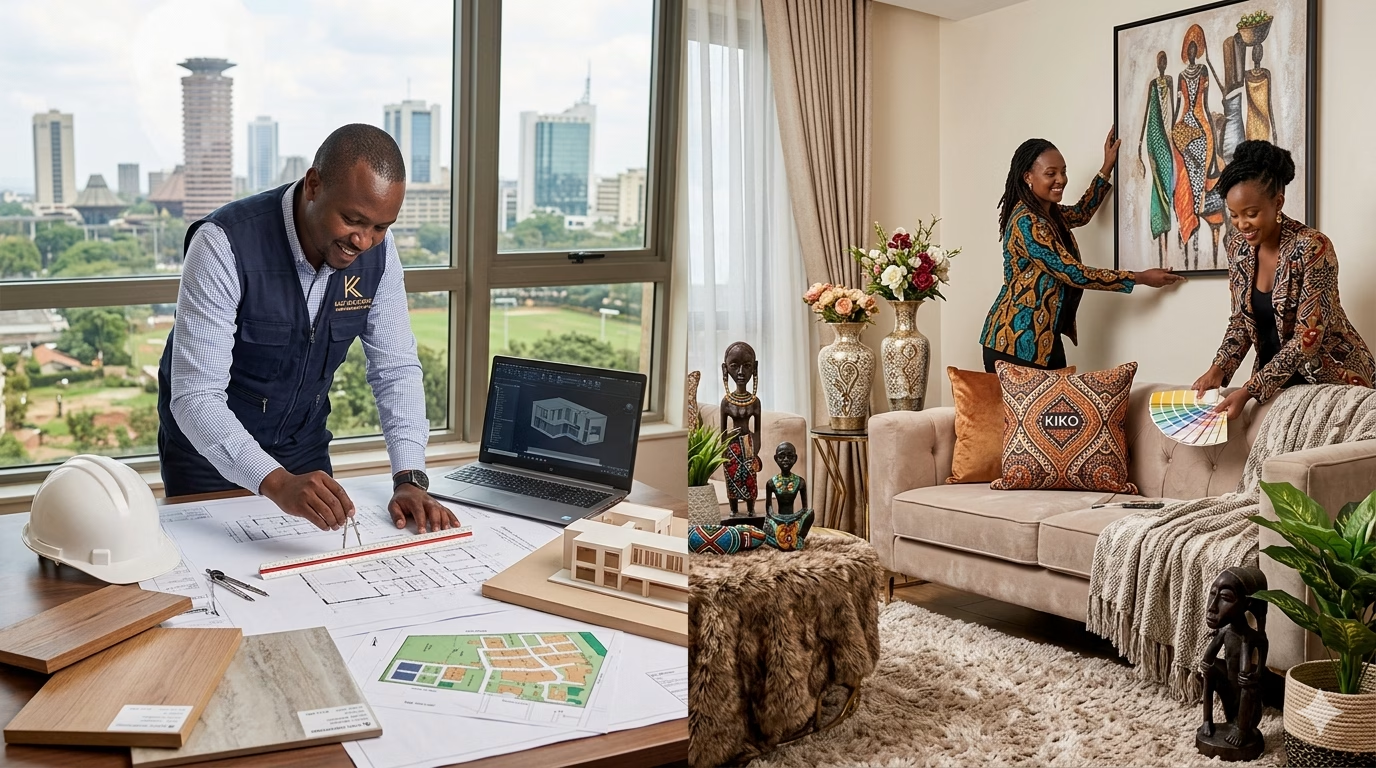
Saint Boss, a leading Nairobi firm specialising in interior design, space planning, furniture supply, fit-outs, and project management, helps clients create functional and inspiring workspaces within their homes. Our integrated services ensure designs are practical, durable, and aligned with Kenyan lifestyles.
This guide outlines a step-by-step approach to designing a productive home office, incorporating current best practices for comfort, efficiency, and style.
Step 1: Choose the Right Location and Layout
Successful home office design Kenya begins with strategic placement. Select a quiet area with minimal household traffic, ideally near a window for natural light and ventilation. Good options include a spare bedroom, a corner of the living or dining area, or a converted balcony space.
Prioritise layouts that support focus:
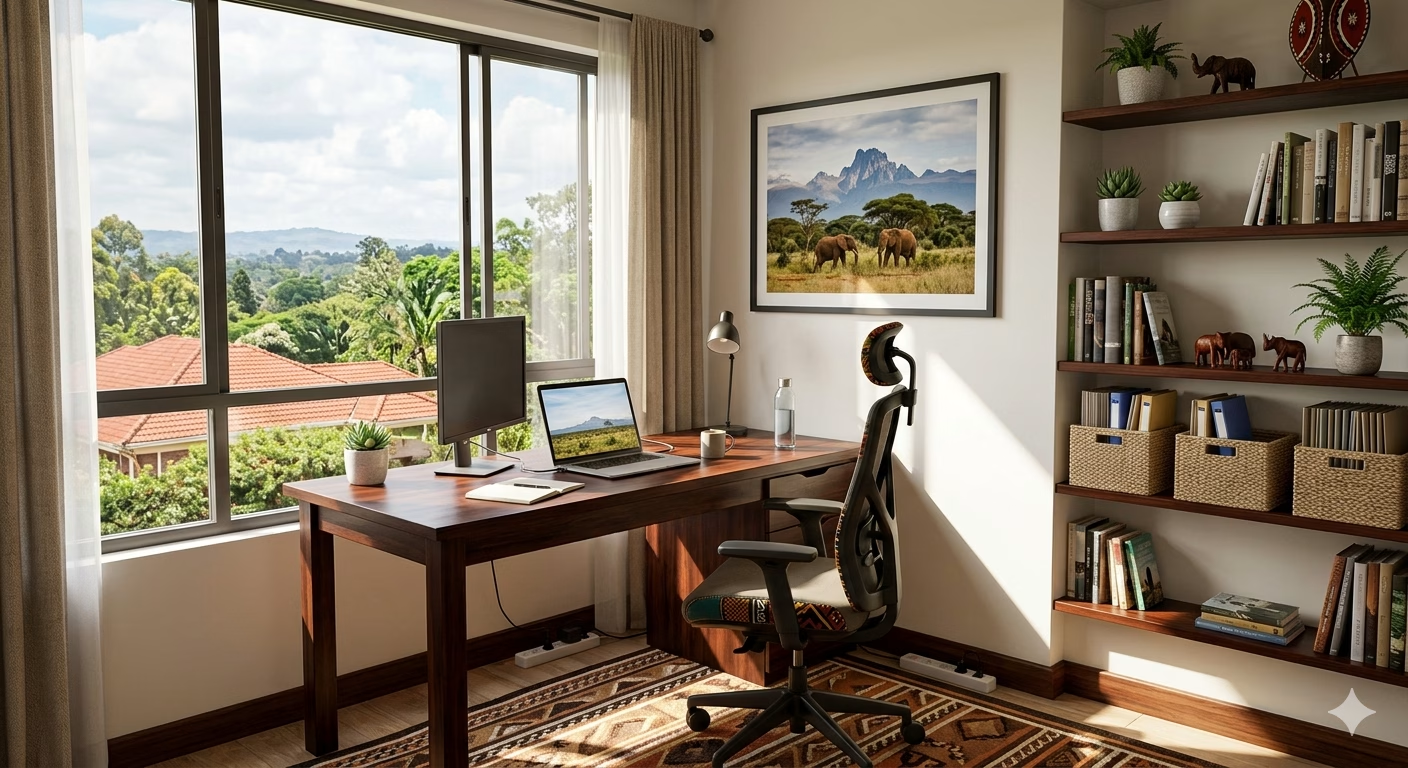
- Position the desk facing a wall or window to reduce visual distractions while keeping natural light in front or to the side.
- Use zoned planning in open spaces , define the workspace with rugs, shelving, or low partitions.
- In compact apartments, consider floating desks, L-shaped configurations, or fold-away solutions for flexibility.
Open-plan or multi-functional layouts are increasingly popular in modern Kenyan homes, allowing the office to transition smoothly when not in use. Professional space planning optimises every square metre, especially in urban properties where space is premium.
Step 2: Invest in Ergonomic Furniture and Storage
Ergonomics directly impacts long-term productivity and health. Choose an adjustable desk (sit-stand options are ideal) and a supportive chair with lumbar support, adjustable height, and armrests.
Key furniture recommendations for remote work interiors in Kenya:
- Height-adjustable desks to alternate between sitting and standing.
- Ergonomic office chairs with breathable materials suited to warmer climates.
- Multi-functional pieces such as storage ottomans, wall-mounted shelves, or cabinets with cable management.
- Monitor arms and keyboard trays to maintain proper posture.
Adequate storage prevents clutter. Built-in or modular shelving keeps documents, equipment, and supplies organised while maintaining a clean aesthetic. In minimalist approaches popular in Nairobi, hidden storage solutions help preserve visual calm.
Budget-wise, mid-range ergonomic setups for a standard home office can start from KSh 50,000–150,000, while premium custom options increase with materials and customisation.
Step 3: Optimise Lighting, Acoustics, and Climate Control
Lighting profoundly affects concentration and eye health. Maximise natural daylight and layer with task lighting (adjustable desk lamps) and ambient overhead fixtures. Warm LED lighting reduces fatigue during long video calls.
Acoustic comfort is crucial in Kenyan homes, where noise from traffic or family activities can intrude. Incorporate soft furnishings, rugs, curtains, and acoustic panels to dampen sound. Plants also help absorb noise while improving air quality.
Address Nairobi’s climate with good ventilation, ceiling fans, or efficient air circulation. Energy-efficient solutions, including solar-compatible options where feasible, support sustainability and reduce running costs.
Step 4: Incorporate Biophilic and Minimalist Elements for Focus
Current trends in home office design Kenya favour biophilic design , integrating plants, natural materials, and views of greenery to reduce stress and enhance creativity. Snake plants, monstera, or succulents thrive indoors and require minimal maintenance.
Pair this with minimalist principles: clean lines, neutral palettes (warm beiges, soft greys, earthy tones), and intentional decor. A single piece of Kenyan artwork or a subtle cultural textile accent adds personality without overwhelming the space.
Sustainable choices , locally sourced wood, low-VOC paints, and durable fabrics , align with growing environmental awareness while ensuring longevity in local conditions.
These elements create remote work interiors that feel calming yet professional, supporting extended work hours without burnout.
Step 5: Integrate Technology and Smart Features
Reliable technology forms the backbone of any productive home office. Plan for:
- Dedicated high-speed internet points and cable management.
- Multiple power outlets with surge protection, considering occasional power fluctuations.
- Smart lighting, charging stations, and video conferencing setups with quality webcams and microphones.
- Background-friendly elements for calls, such as neutral walls or subtle feature panels.
Discreet integration keeps the space looking residential rather than purely corporate.
Step 6: Add Personal Touches and Maintain Balance
A productive workspace should still feel like home. Include personal elements such as family photos, motivational artwork, or a small reading nook for breaks. Ensure the design complements the rest of your residential interiors for visual harmony.
Regular maintenance routines and flexible layouts allow the space to adapt as work needs evolve.
Why Saint Boss?
Saint Boss delivers expert home office design Kenya solutions through our comprehensive interior design and fit-out services. We combine creative space planning with practical project management to create workspaces that enhance productivity while integrating beautifully with your home.
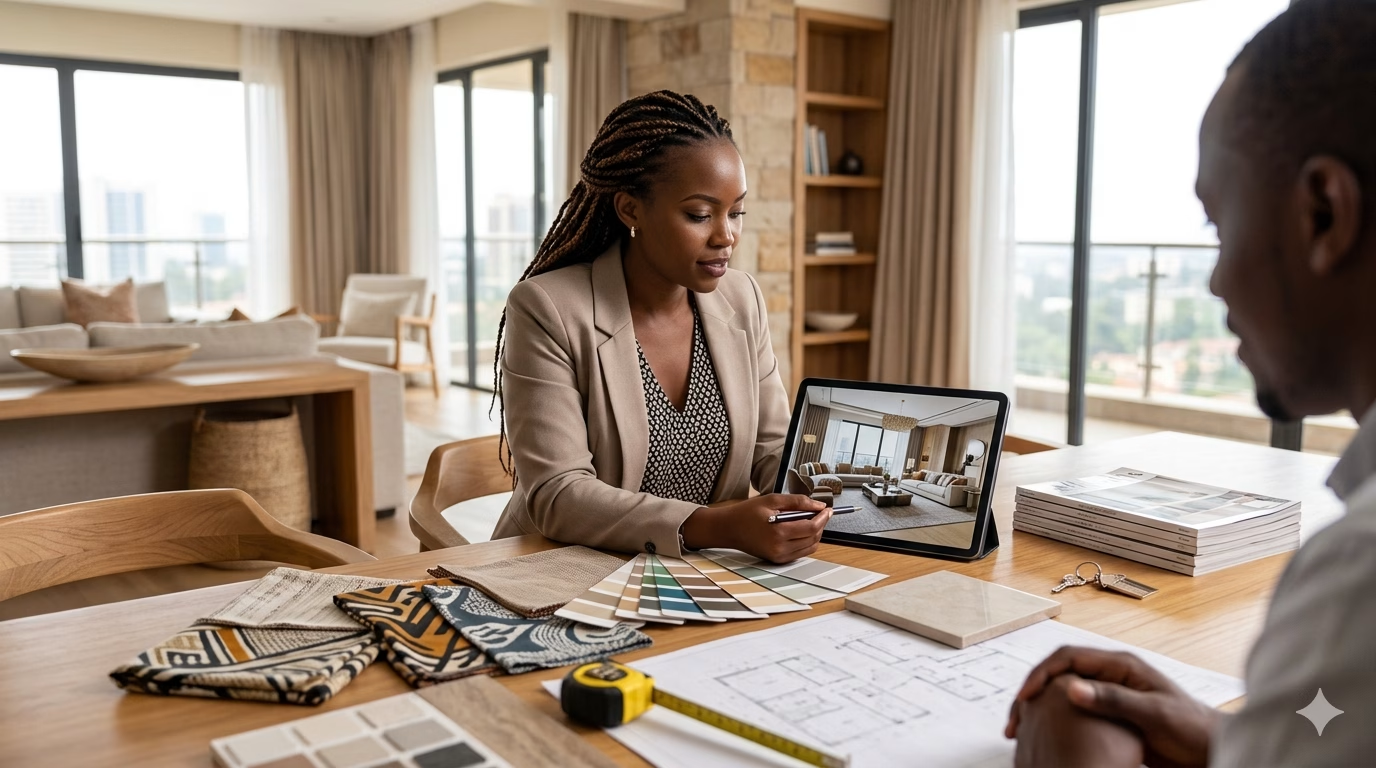
Our team understands Nairobi’s residential market and local challenges, from material sourcing to climate-appropriate solutions. Whether designing a dedicated office room or a compact corner setup, we manage the entire process , concept, 3D visualisation, furniture selection, and installation , under one roof for seamless results.
Conclusion
Designing a productive home office in Kenya requires balancing functionality, comfort, ergonomics, and aesthetics. By selecting the right location, investing in quality furniture, optimising lighting and acoustics, incorporating biophilic and minimalist elements, and integrating technology thoughtfully, you can create a workspace that supports focus and wellbeing.
These principles suit diverse Kenyan homes, from urban apartments to suburban residences, and align with 2026 trends emphasising sustainability and human-centred design.
If you are ready to transform part of your home into an inspiring and efficient workspace, Saint Boss offers the expertise to bring your vision to life. Visit www.saintboss.com to explore our portfolio of residential projects and learn how our integrated services can support your remote-work interior needs.