Kenyan homeowners are increasingly prioritising sustainability as awareness of environmental impact grows alongside the desire for beautiful, functional living spaces. In 2026, sustainable interior design Kenya combines global best practices with local resources, creating eco homes Nairobi that reduce carbon footprints while celebrating Kenyan identity and climate resilience.
From high-rise apartments in Westlands and Kilimani to family residences in Karen and Runda, eco-friendly approaches deliver measurable benefits: lower energy and water consumption, healthier indoor environments, and enhanced property value. These solutions address local challenges such as variable weather, dust, and resource availability while aligning with broader trends like biophilic design and circular economy principles.
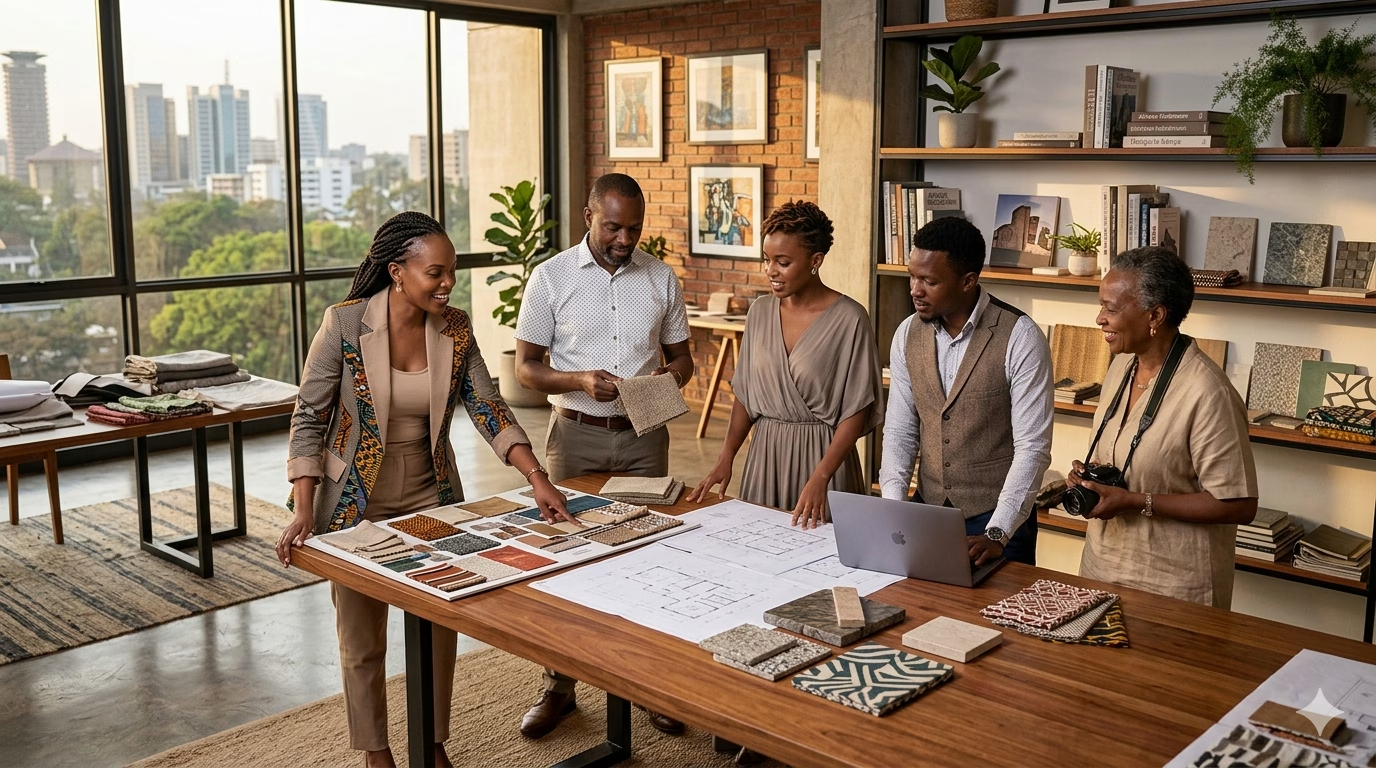
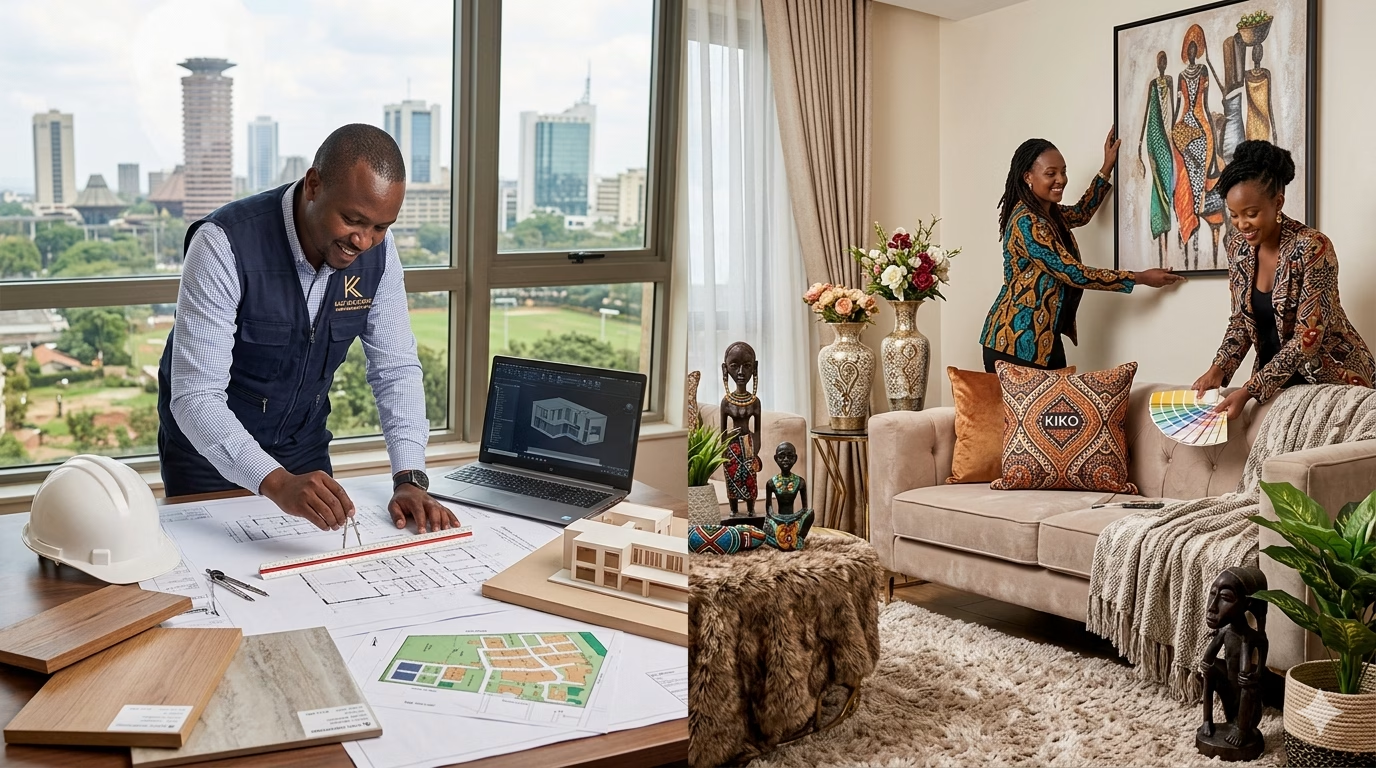
Saint Boss, a leading Nairobi-based construction and interior design firm, integrates sustainability into every project through careful material selection, energy-efficient strategies, and waste reduction. Our full-spectrum services – interior design, space planning, furniture supply, and fit-outs – ensure eco-conscious designs are both practical and elegant for Kenyan homes.
This guide outlines proven sustainable interior design Kenya solutions, offering actionable ideas to transform your home responsibly.
Choosing Sustainable and Locally Sourced Materials
Material selection forms the cornerstone of eco-friendly interiors. Prioritising renewable, recycled, or low-impact options minimises environmental harm while delivering unique character suited to Kenyan conditions.
Popular choices for eco homes Nairobi include:
- Bamboo and reclaimed wood: Fast-growing bamboo serves as a versatile alternative for flooring, cabinetry, and furniture. Reclaimed timber from old structures adds warmth and history while preventing new deforestation. Look for FSC-certified sustainable wood where possible.
- Natural stone and travertine: Locally sourced or responsibly quarried stone provides durable, timeless flooring and feature walls with low embodied energy.
- Sisal, rattan, and natural fibres: These renewable materials excel in rugs, upholstery, and baskets, offering texture and breathability in humid or dusty environments.
- Low-VOC paints and finishes: These reduce harmful emissions, improving indoor air quality for healthier living.
Supporting local artisans and suppliers shortens supply chains, lowers transport emissions, and bolsters the Kenyan economy. In small apartments, these materials create visual interest without overwhelming limited space.
Biophilic Design and Indoor-Outdoor Connections
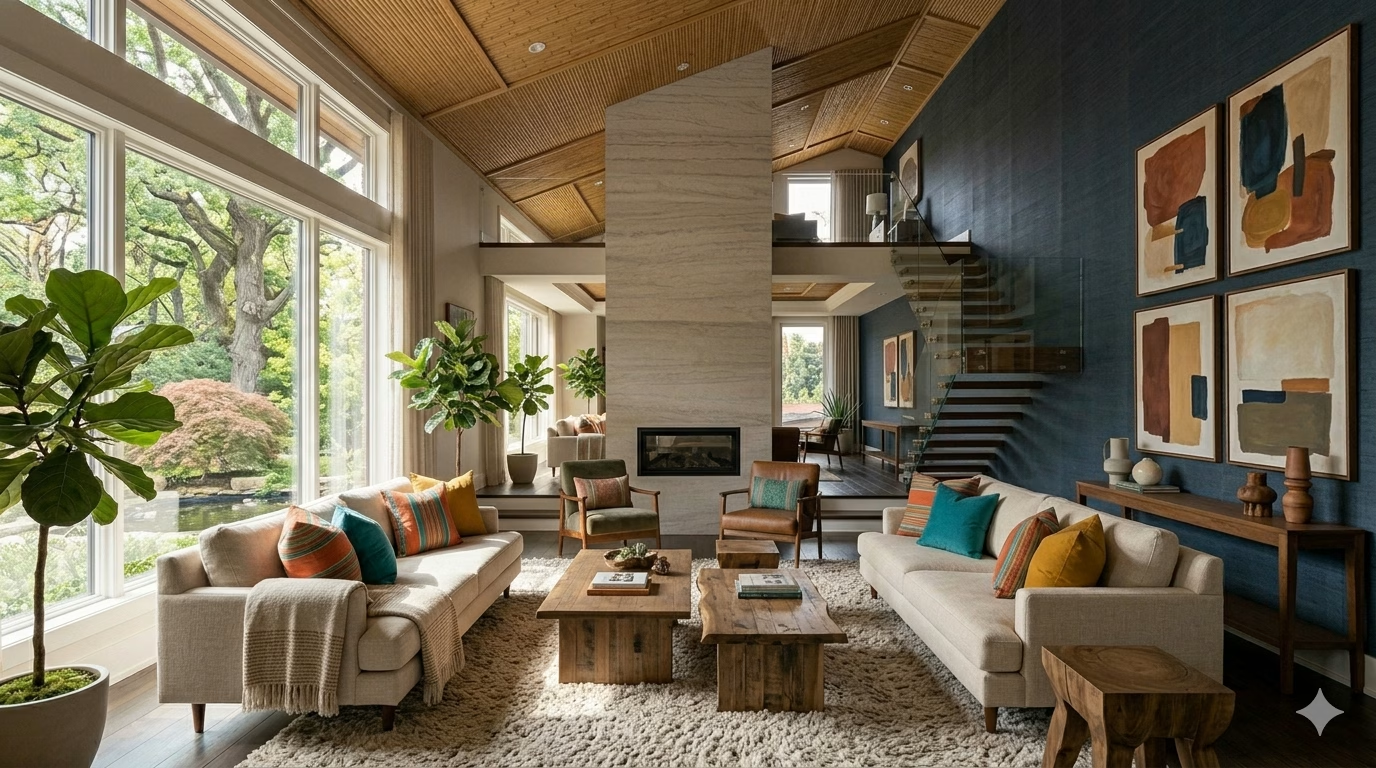
Bringing nature indoors enhances wellbeing while supporting sustainability. Biophilic elements – abundant plants, natural light, and organic textures – rank among the most effective sustainable interior design Kenya strategies.
Implementation ideas:
- Incorporate vertical gardens, living walls, or strategic potted native plants to improve air quality and regulate humidity.
- Maximise natural daylight with larger windows, skylights, or light wells, reducing reliance on artificial lighting.
- Design seamless indoor-outdoor transitions using consistent flooring or sliding doors to balconies and gardens, common in Nairobi’s pleasant climate.
These features create calming, restorative environments that align with minimalist or Afro-modern aesthetics popular in modern Kenyan homes.
Energy Efficiency and Smart Resource Management
Sustainable homes minimise operational impact through intelligent systems and passive design.
Key solutions:
- Energy-efficient LED lighting with dimmers and smart controls to adjust according to natural light availability.
- Natural ventilation strategies, such as cross-breezes and high ceilings, are supplemented by energy-efficient fans or solar-powered options.
- Water-saving fixtures in kitchens and bathrooms, paired with greywater recycling where feasible.
- Insulation using natural materials like cork or recycled options to maintain comfortable temperatures with less energy.
In small apartment design Nairobi, compact layouts benefit from these measures, lowering utility bills while maintaining comfort during hot or cool seasons.
Waste Reduction and Circular Design Principles
Eco-friendly interiors embrace longevity and reusability. Opt for modular or repairable furniture that can adapt as needs change, reducing the need for frequent replacements.
Additional practices:
- Upcycle existing pieces or incorporate reclaimed elements into new designs.
- Choose durable, high-quality items from responsible manufacturers to extend product lifecycles.
- Plan for end-of-life recyclability during the design phase.
Minimalist approaches complement this philosophy by encouraging mindful consumption – fewer, better items that serve multiple purposes.
Integrating Culture and Modernity in Eco Homes
Sustainable interior design Kenya thrives when it reflects local heritage. Incorporate subtle Afro-modern elements, such as handwoven textiles, contemporary Kenyan art, or artisan-crafted pieces made from sustainable materials. This creates authentic, story-rich spaces that feel both globally relevant and deeply rooted in Kenya.
Warm neutral palettes, earthy tones, and textural layering enhance the natural beauty of eco-materials without compromising on style or functionality.
Why Saint Boss?
Saint Boss is committed to sustainable interior design Kenya, embedding environmentally friendly materials, renewable energy considerations, and waste-reduction strategies into all residential projects. Our integrated model – combining interior design, space planning, and expert project management – delivers cohesive eco homes Nairobi that balance aesthetics, performance, and responsibility.
With deep knowledge of local supply chains and Kenyan building conditions, we help clients achieve high-quality, durable results that respect the environment while enhancing everyday living.
Conclusion
Eco-friendly interior design solutions offer Kenyan homeowners the opportunity to create beautiful, healthy, and future-proof spaces. By selecting sustainable materials like bamboo and reclaimed wood, embracing biophilic principles, optimising energy use, and adopting circular practices, you can reduce environmental impact without sacrificing style or comfort.
These approaches suit diverse properties across Nairobi and beyond, from compact urban apartments to spacious family homes. Thoughtful implementation ensures designs remain timeless while contributing to a greener Kenya.
If you are ready to transform your home with responsible, expert-led solutions, Saint Boss is here to guide the process. Visit www.saintboss.com to explore our portfolio and discover how our integrated services can help build your ideal eco-conscious living environment.