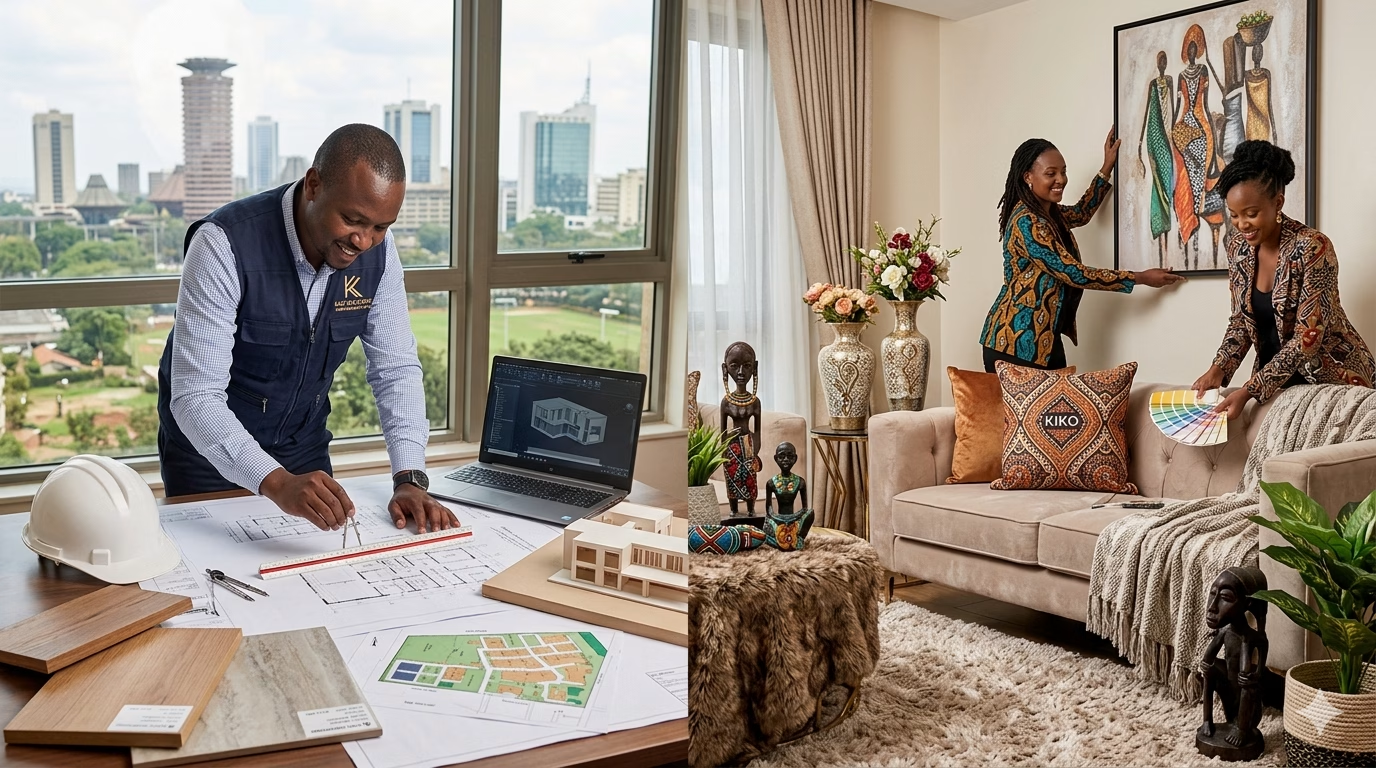
Nairobi’s commercial real estate continues to evolve rapidly in 2026. Companies relocating, expanding, or modernising workspaces face important decisions about office fitouts Nairobi . A well-executed fit-out transforms an empty shell into a functional, brand-aligned environment that supports productivity, attracts talent, and reflects corporate identity.
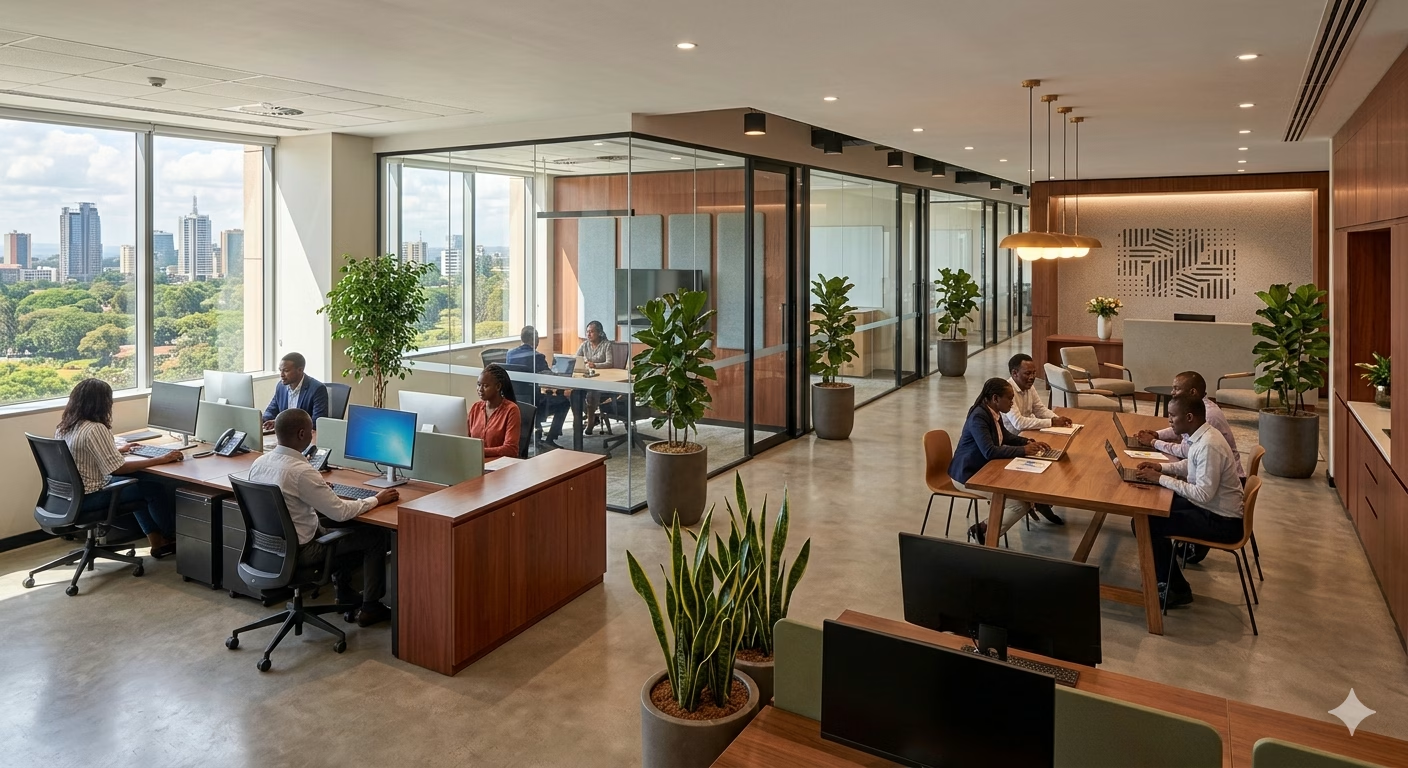
Businesses in Westlands, Upper Hill, Kilimani, and the CBD increasingly demand flexible, sustainable, and wellness-focused office interiors Kenya . Whether for a professional services firm, tech startup, or multinational corporation, the right fit-out enhances collaboration while accommodating hybrid work models.
Saint Boss, a premium full-spectrum construction firm based in Nairobi, specialises in interior design, space planning, furniture supply, fit-outs, and project management. With expertise across corporate, hospitality, and high-end residential sectors, we deliver seamless solutions that meet Nairobi’s unique regulatory, climatic, and operational realities.
This comprehensive guide covers everything decision-makers need to know about office fitouts Nairobi ,from planning and budgeting to trends, process, and execution , to help you achieve a successful outcome that adds long-term value to your business.
Understanding Office Fitouts: Scope and Importance
An office fit-out encompasses all works required to make a raw commercial space ready for occupation. This typically includes:
- – Space planning and interior design
- – Partitions, ceilings, and flooring
- – Electrical, lighting, and data installations
- – HVAC and ventilation systems
- – Furniture supply and installation
- – Branding elements and finishes
In Nairobi, fit-outs range from Category A (basic landlord provisions) to full Category B or turnkey solutions tailored to specific business needs. A professional fit-out improves space utilisation, supports employee wellbeing, and strengthens brand perception. For growing Kenyan companies and international firms establishing presence in Kenya, investing in quality office fit-out Kenya yields measurable returns through higher productivity, better retention, and enhanced corporate image. Key drivers in 2026 include hybrid working patterns, demand for agility, and emphasis on sustainability and wellness.
Current Trends Shaping Office Fitouts in Nairobi
Nairobi interior design trends strongly influence modern office fitouts Nairobi . Leading developments incorporate several key directions:
Biophilic and Wellness-Focused Design
Natural light maximisation, indoor plants, vertical gardens, and organic materials create calming, restorative environments. Acoustic comfort, ergonomic furniture, and dedicated wellness zones (quiet rooms or meditation areas) address mental health and productivity.
Flexible and Modular Layouts
Movable partitions, frameless glass walls, and reconfigurable furniture support agile teams. Hybrid work has reduced permanent desk requirements, favouring hot-desking, collaboration hubs, and multi-purpose zones.
Sustainable Office Design
Eco-friendly materials, energy-efficient systems, and low-VOC finishes align with corporate ESG goals. Locally sourced elements, such as sisal or reclaimed wood, combine sustainability with Kenyan character.
Afro-Modern Aesthetics
Subtle integration of Kenyan cultural motifs through artwork, textiles, or custom joinery creates distinctive yet professional spaces that celebrate local identity within global standards.
Smart Technology Integration
Seamless AV systems, smart lighting, climate control, and high-speed connectivity enhance functionality without visual clutter.
These trends make office interiors Kenya more human-centred, adaptable, and future-ready.
Step-by-Step Process for Successful Office Fitouts in Nairobi
A structured approach minimises risks and ensures alignment with business objectives.
- Needs Assessment and Brief Development
Define goals, team size, work styles, brand values, and growth projections. Engage stakeholders early to create a detailed project brief.
- Site Evaluation and Space Planning
Assess the property’s constraints, including floor plate, structural elements, services, and Nairobi County regulations. Professional space planning optimises flow and utilisation.
- Concept Design and Visualisation
Interior designers develop mood boards, 3D renderings, and detailed drawings. This stage incorporates Nairobi interior design trends while addressing practical needs.
- Budgeting and Procurement Strategy
Establish realistic budgets covering design fees, construction, furniture, and contingencies (typically 10–15%).
- Tendering and Contractor Selection
For design-and-build approaches, select a single experienced partner to reduce coordination issues.
- Implementation and Project Management
Coordinate trades, monitor quality, and manage timelines. Regular progress reviews keep the project on track.
- Handover, Snagging, and Post-Occupancy Review
Final walkthroughs, defect rectification, and evaluation ensure the space performs as intended.
A design-and-build model, where one firm handles design and execution, often delivers smoother results and better cost control in the Kenyan market.
Budgeting and Costs for Office Fitouts Nairobi
Costs for office fitouts Nairobi vary significantly based on specification, size, and complexity. In 2026, expect the following indicative ranges for mid-to-premium specifications:
– Standard Category B fit-out: KSh 8,000 – 18,000 per square metre (including partitions, ceilings, flooring, electrical, basic furniture)
– Premium or high-end corporate fit-out: KSh 18,000 – 30,000+ per square metre (advanced AV, custom joinery, sustainable materials, smart systems)
For a typical 300m² office, total budgets often range from KSh 2.4 million to KSh 9 million or more. Factors influencing cost include:
- – Quality of materials and finishes
- – Extent of MEP (mechanical, electrical, plumbing) upgrades
- – Custom furniture versus off-the-shelf
- – Timeline urgency (rushed projects incur premiums)
- – Location-specific challenges (e.g., high-rise access)
Always include contingency and professional fees. Working with an experienced firm helps optimise value while avoiding hidden costs from poor planning or material delays common in Kenya.
Key Considerations and Best Practices
Successful corporate office fitouts Kenya require attention to several practical factors:
- – Compliance with Nairobi County building regulations, fire safety, and accessibility standards
- – Supply chain management , local sourcing where possible reduces lead times
- – Minimising business disruption through phased implementation if occupying an existing space
- – Acoustic performance in open-plan environments
- – Future-proofing for technology upgrades and organisational changes
Engage professionals early. A single point of responsibility for design, fit-out, and project management streamlines communication and accountability.
Why Saint Boss?
Saint Boss stands out as a trusted partner for office fitouts Nairobi and office interiors Kenya . As a full-spectrum construction company, we integrate interior design, space planning, furniture supply, fit-outs, and comprehensive project management under one roof. This approach eliminates interface risks and ensures consistent quality from concept through to handover.
Our experienced team, including interior designers Swabrina Bachu and Vallen Maina, brings deep knowledge of Nairobi’s commercial sector. We prioritise sustainable practices, innovative yet practical solutions, and meticulous attention to detail. Whether delivering a modern tech office in Westlands or a corporate headquarters in Upper Hill, Saint Boss creates environments that enhance productivity, reflect brand values, and withstand the demands of Kenyan business operations.
Conclusion
Planning and executing office fitouts Nairobi demands careful consideration of trends, processes, budgets, and local expertise. By following a structured approach and partnering with professionals who understand both global best practices and Kenyan realities, businesses can create workspaces that drive performance and support long-term success.