Mombasa and the Kenyan coast offer a completely different design language compared to Nairobi. The combination of intense sunlight, high humidity, salty sea air, and rich Swahili heritage creates unique challenges and opportunities for interior designers.
As an experienced interior designer in Mombasa, creating coastal interiors requires a deep understanding of both the environment and local culture. The best coastal homes feel relaxed, elegant, and perfectly in tune with the ocean lifestyle.
Here’s what makes coastal interiors Kenya truly unique and how professional designers approach them.
1. Climate-Responsive Design
Coastal interiors must work hard against humidity, salt corrosion, and strong sunlight. Key considerations include:
- Excellent cross-ventilation and high ceilings
- Moisture-resistant materials and finishes
- Light colours that reflect heat and keep spaces cool
- Strategic shading to reduce glare while maintaining views
A good interior designer in Mombasa always prioritises natural airflow and durable materials that can withstand the harsh coastal climate.
2. Strong Swahili Design Influence
Authentic coastal interiors draw heavily from Swahili architecture and culture:
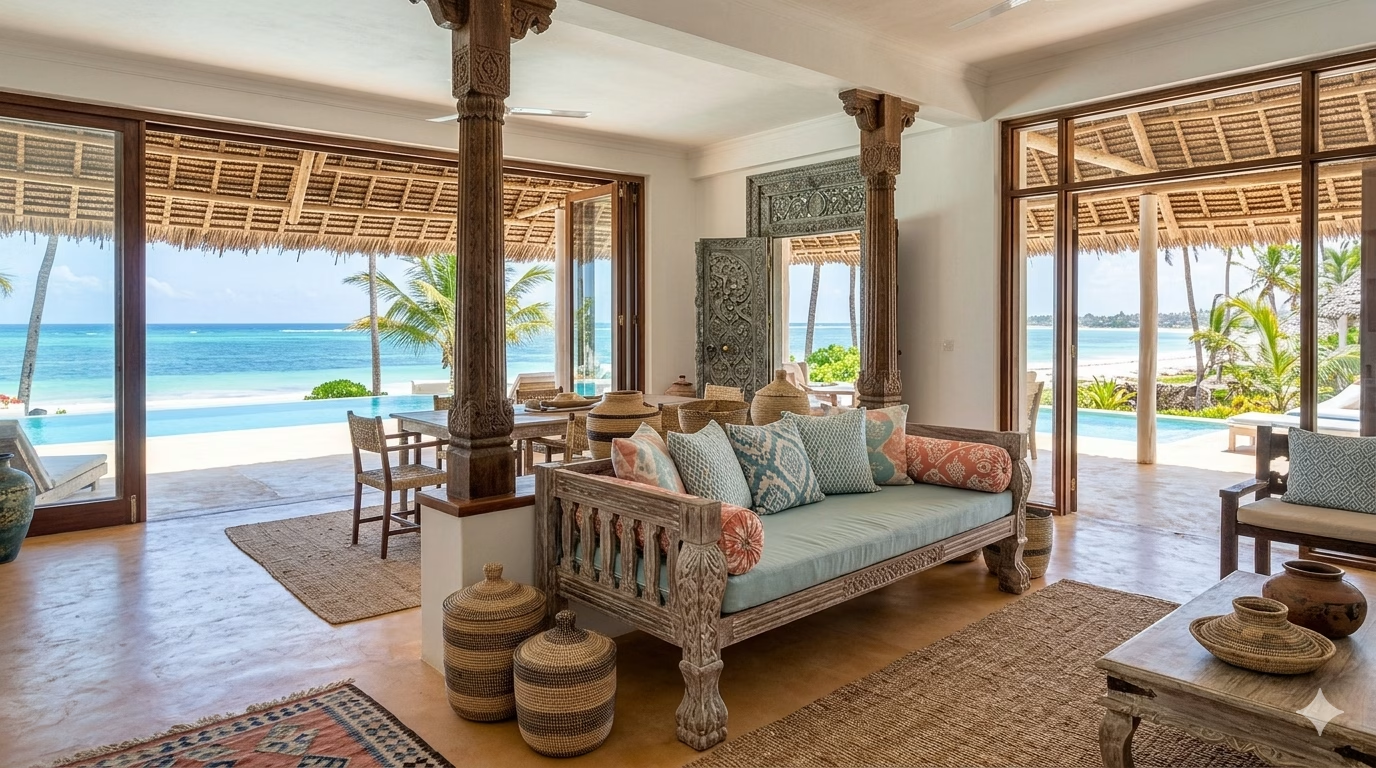
- Intricate carved wooden doors (Zanzibar doors)
- Geometric patterns and lattice screens (mashrabiya)
- Use of brass, copper, and shell details
- Traditional seating combined with modern comfort
- Earthy colour palettes inspired by the ocean and landscape
The best designs reinterpret these elements in a contemporary, elegant way rather than creating a themed “Swahili look”.
3. Seamless Indoor-Outdoor Living
Coastal homes are designed to blur the boundary between inside and outside:
- Large sliding doors and open verandas
- Consistent flooring materials that flow from interior to exterior
- Covered outdoor lounges and dining areas
- Strategic placement of pools and water features
4. Material Choices for Coastal Durability
Salt air is highly corrosive, so material selection is critical:
- Teak, mahogany, and treated hardwoods
- Porcelain tiles and natural stone (especially travertine)
- Powder-coated aluminium and stainless steel
- Performance fabrics that resist fading and mould
- Matte and textured finishes that hide salt deposits better
5. Light, Airy Colour Palettes
Coastal interiors typically feature:
- Soft whites, creams, and sandy neutrals
- Sea blues, aquas, and soft corals as accents
- Warm wood tones for grounding
- Metallic finishes in brass or copper
These colours reflect light and create a bright, breezy atmosphere.
Why Choose a Local Interior Designer in Mombasa?
A designer who understands the coast will:
- Know which materials perform best in salty air
- Understand local building regulations and supply chains
- Appreciate Swahili design heritage
- Deliver solutions that work with the natural breeze and sunlight
Why Saint Boss?
Although based in Nairobi, Saint Boss has extensive experience designing coastal homes in Mombasa, Nyali, Bamburi, and Diani. We combine deep knowledge of coastal conditions with modern design expertise to create elegant, durable, and authentic interiors.
Our integrated Design + Build model ensures smooth delivery of complex coastal projects from concept to final handover.
Conclusion
Coastal interiors in Mombasa are unique because they must balance beauty, comfort, and durability in a challenging environment while celebrating rich Swahili heritage. The best designs feel relaxed yet sophisticated, airy yet grounded, and deeply connected to the ocean lifestyle.
If you’re planning a coastal home in Mombasa or anywhere along the Kenyan coast and want expert guidance, Saint Boss is ready to help. Visit www.saintboss.com to explore our portfolio and discover how we can create a beautiful, climate-responsive coastal interior for you.